Hair Transplant Clinic Philadelphia
Our Hair Transplant Clinic in Philadelphia
Welcome to Nova Medical, a Hair Transplant Clinic in Philadelphia’s Old City
Embarking on the journey of hair restoration is a significant decision that can transform your appearance and boost your self-esteem. As a dedicated hair transplant clinic in Philadelphia, Nova Medical Hair Transplant aims to give you an all-encompassing overview of hair transplantation, covering every aspect you need to know.
From the latest techniques and advancements in hair restoration, such as FUE and FUT, to understanding the nuances of pre and post-procedure care, we’ve got you covered. Whether you’re curious about the process, concerned about what to expect, or seeking the best solution for hair loss, this page is your ultimate resource.
Dive in with us as we explore the world of hair transplants, offering insights, expert advice, and answers to all your questions. Your path to informed decision-making and achieving the best possible results starts here.

Planning Around Your Hair Type
How Texture, Density and Loss Pattern Guide Every Philadelphia Hair Transplant
Every patient’s hair behaves differently, and a transplant only looks convincing when the plan accounts for that. Texture, strand thickness, the contrast between hair and skin color and the way your hair naturally falls all affect how many grafts are needed, where they should go and how they are harvested. At Nova Medical Hair Transplant Philadelphia, the aim is to recreate hair that matches what you already have, not just to put grafts into a thinning spot.
Why Texture Matters
Tightly curled and coily hair usually grows from follicles that bend below the surface of the skin, so extraction has to follow that curve to keep each graft whole. The upside is that curly hair covers a lot of scalp per strand. Fine, straight hair is the opposite: each strand hides less, so building the same fullness typically means more grafts placed closer together.
Our patients come from every background across Philadelphia and the surrounding region, and they bring every hair type with them to our Chestnut Street clinic. The team adapts punch size, graft handling and implantation angles for each person, because small decisions about each follicle decide whether new hair blends in with the hair around it.
Fitting the Plan to Your Hair Loss
Hair type is only one part of the plan. A receding hairline needs a soft, slightly uneven front edge that suits your face, while thinning across the top responds best to evenly spread density so nothing looks patchy. The crown, the temples and isolated bald areas each call for their own approach, and many patients need a combination.
We also treat traction alopecia, the hair loss caused by years of tight braids, weaves, extensions or ponytails. These cases need extra care during extraction and placement, along with practical guidance on how to wear your hair once it grows in, so the new follicles are not put under the same strain again.
What a Personalized Plan Delivers
When your hair characteristics, loss pattern and goals all shape the plan, the result reads as your own hair rather than as a procedure. Every case at our Philadelphia clinic is planned this way, from the first assessment through the last follow-up visit.

Why Consider Getting a Hair Transplant Procedure Done?
Choosing to undergo a hair transplant procedure marks a significant decision towards addressing hair loss, aiming to enhance both appearance and self-esteem. The allure of permanent, natural-looking results is a primary motivator to getting a hair transplant done. Unlike temporary solutions that require ongoing maintenance, a hair transplant offers a long-term resolution, with transplanted hair growing naturally for years.
Living with a transplant is simple. Once the new hair has grown in, you treat it like the rest of your hair: you can cut it, wash it, color it and style it as usual, without adhesives, special shampoos or regular maintenance appointments.
This procedure not only promises to restore your hairline but also significantly boosts your confidence in both personal and professional realms. Additionally, with advancements in techniques such as FUE, patients enjoy minimal downtime, allowing for a swift return to daily activities.
Because the transplanted follicles come from areas that are genetically resistant to the hormone behind pattern baldness, they keep growing after they are moved. For many patients that makes a one-time transplant better long-term value than years of spending on temporary cover-ups.
At our hair transplant clinic in Philadelphia, we specialize in providing tailored hair restoration solutions that cater to the unique needs of each individual. Led by Dr. Val Prokurat, MD, our team leverages the latest in hair transplant technology to ensure safe, effective, and aesthetically pleasing outcomes. Recognizing the profound impact hair loss can have, we are dedicated to guiding our patients through their transformation journey, from the initial consultation to the final result, with the utmost care and precision.
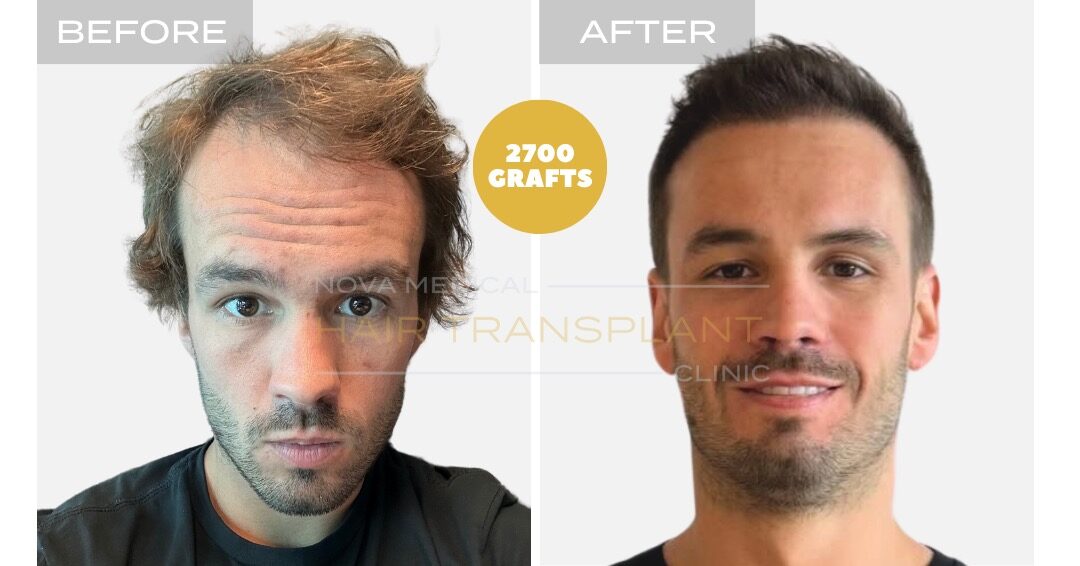
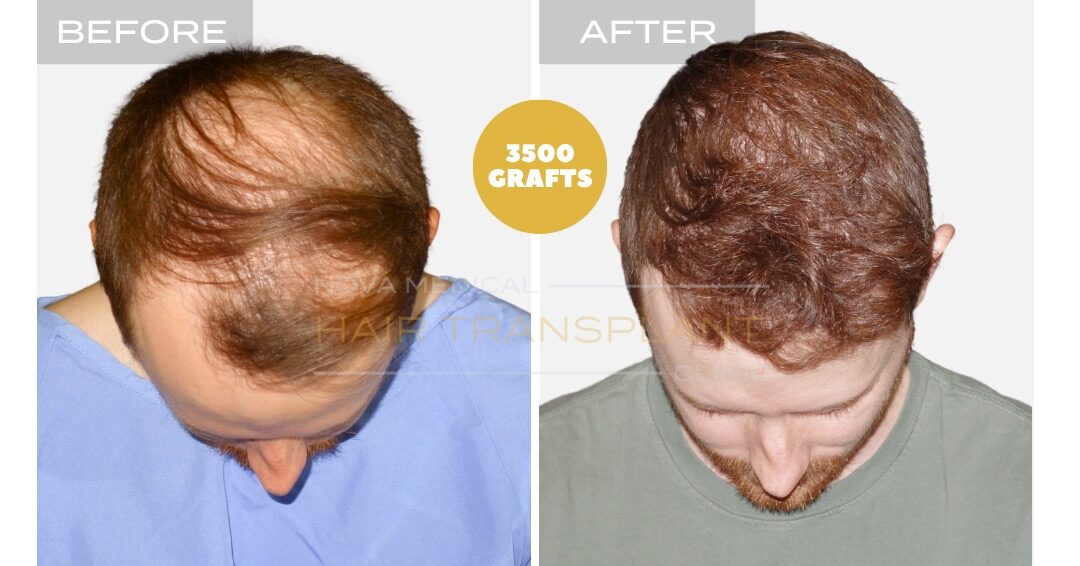
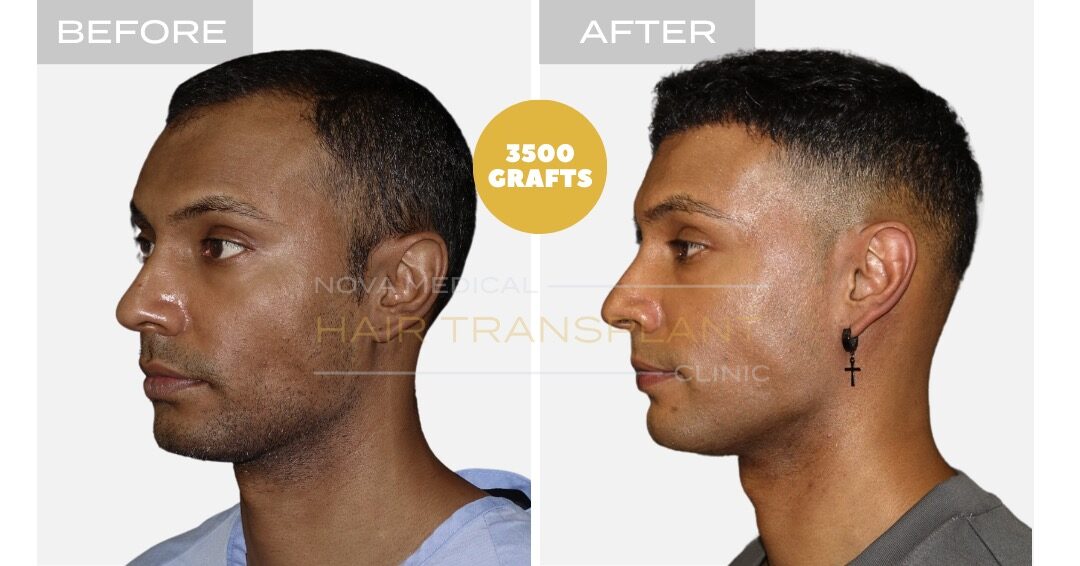
Before & After Gallery
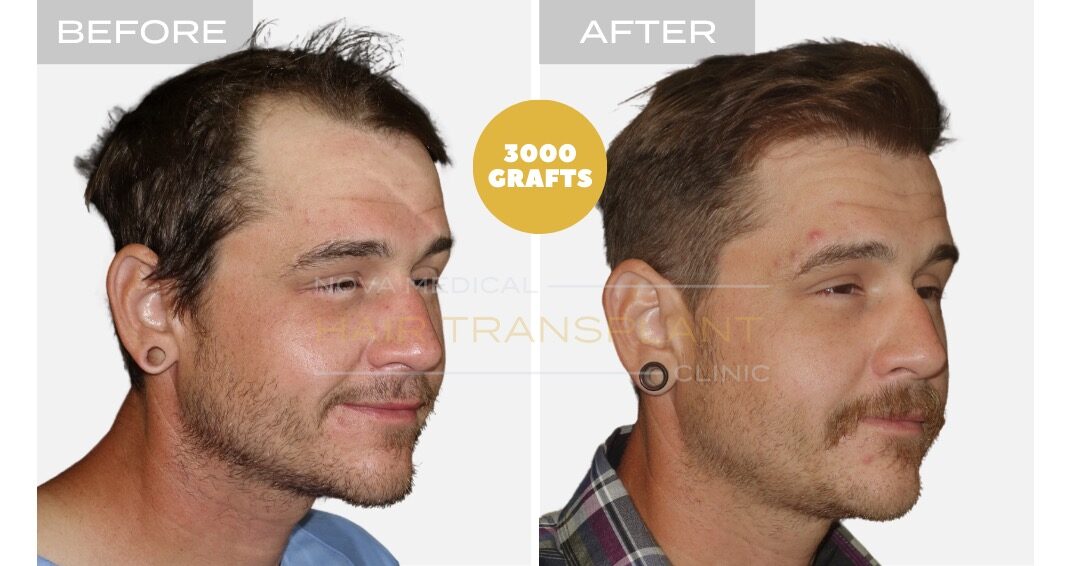
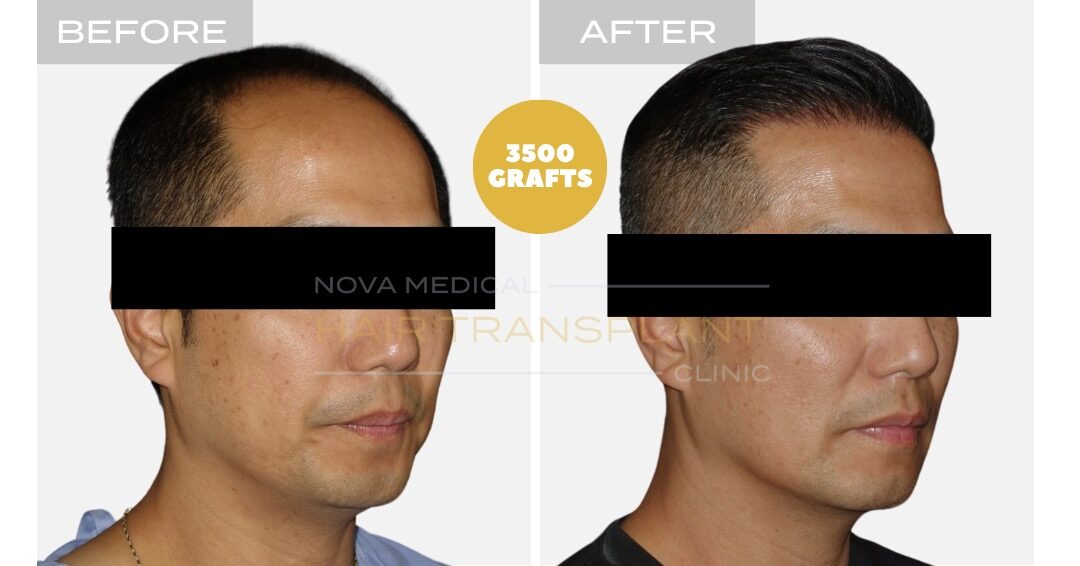
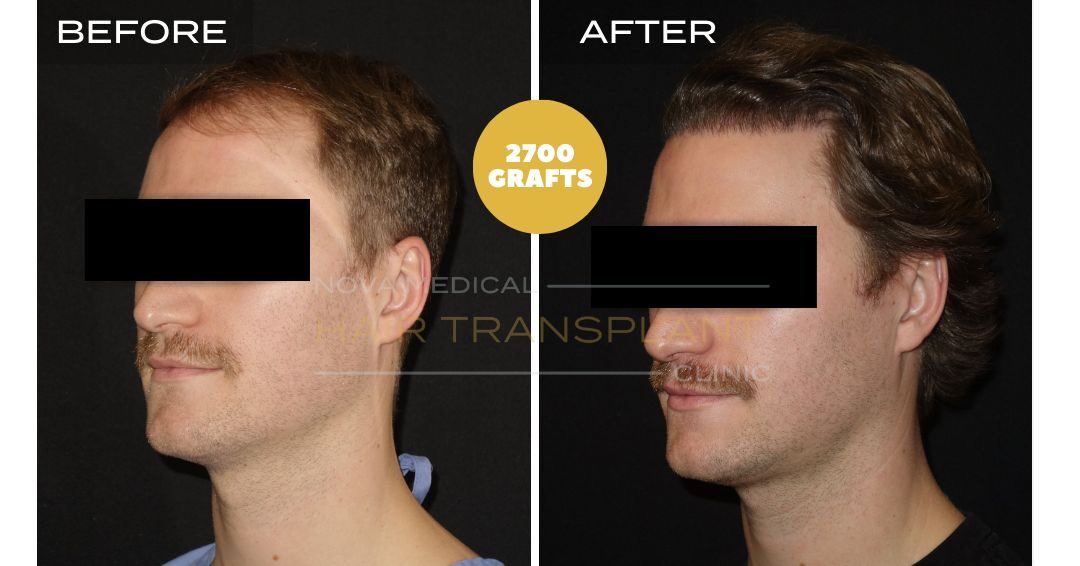
Why We Use Manual FUE
For most patients, our Philadelphia clinic performs FUE with motorized handheld tools rather than a robot, and we also offer DHI for cases that suit an implanter pen. Each follicle is removed one at a time by our in-house team under magnification, and every plan is reviewed and overseen by Dr. Val Prokurat, MD.
Working by hand lets the team adjust punch size, angle and depth graft by graft. That matters most for curly or very fine hair, for scarred donor areas and for patients who have had a transplant before.
Recipient sites are made to follow your natural hair direction, and grafts are kept chilled from extraction to placement as part of the Nova Medical FUE Protocol.
For patients who need a very large number of grafts in one session, or who prefer not to shave the donor area, we also offer FUT (strip) surgery.
What Your Procedure Looks Like in Philadelphia
Every procedure at our Old City clinic starts with an assessment of your hairline, the area you want to restore and the density your donor area can support. From there we map where each graft will go.
On the day of treatment, the scalp is numbed with local anesthetic. Grafts are extracted, sorted under magnification and placed one by one at the planned angle, so the new hair blends with the hair you already have.
You go home with written aftercare instructions and booked follow-up visits. New growth usually becomes visible after a few months, and the final result typically settles in around a year after treatment.
Manual FUE, DHI and Other Techniques
You may come across other names for hair transplants, such as DHI, Sapphire FUE or robotic FUE. They all start from the same idea: individual follicles are harvested from the back and sides of the scalp, so none of them leaves a linear scar.
DHI places each graft with a pen-like implanter instead of into pre-made sites, Sapphire FUE uses sapphire blades to create the recipient sites, and robotic FUE automates the extraction step. Our Philadelphia clinic offers DHI alongside manual FUE and FUT; we do not offer Sapphire FUE or robotic FUE.
In our experience, the result depends far more on hairline design, careful graft handling and the skill of the team than on the name of the technique. Our guides compare DHI with manual FUE and Sapphire FUE with manual FUE in more detail.
During your free assessment, we explain whether manual FUE, DHI or FUT suits your donor supply, your hair type and the result you want, so you are never steered toward one method by default.
What is FUE?
FUE, short for Follicular Unit Extraction, is a cutting-edge hair transplant technique practiced at our Philadelphia clinic. This method allows for the removal of individual hair strands from the donor area at the back of the scalp without creating a linear scar. Utilizing a specialized 1-millimetre punch blade, FUE meticulously extracts tiny micrografts, leaving behind only small, virtually undetectable scars.
This technique enables patients to wear their hair very short at the back without any noticeable signs of the transplant procedure. Though extracting grafts one by one is a meticulous process, the natural, long-lasting results are well worth the time invested.
FUE is an ideal option for a wide range of patients, including younger individuals, African-Americans, and those with sparse donor hair areas. It’s particularly favored by those looking to enhance their facial hair, such as beards, mustaches, sideburns, or eyebrows, offering a versatile solution for various hair restoration needs.
What is FUT Hair Transplant in Philadelphia?
FUT, or Follicular Unit Transplantation, is a traditional hair restoration technique performed at our Philadelphia clinic. This method involves removing a strip of hair-bearing skin from the back of the scalp. The site is then meticulously sutured to minimize any scarring. The extracted strip contains hair micrografts, each with 1 to 4 hair strands, which are carefully prepared and transplanted into the thinning or bald areas of the scalp.
The transplantation process is carried out with utmost precision to replicate the hair’s natural growth pattern, ensuring that the results blend seamlessly with the surrounding hair and look entirely natural. This method is particularly beneficial for achieving significant hair density in areas experiencing hair loss.
Need more information about either of these techniques?
But your hair can be
Natural hair is the crown you never take off.
Request a Free Consultation
No obligation • Same-week availability
Hair Transplant Procedure Overview
~2 minutes readEmbarking on a hair transplant journey is a transformative process that can significantly enhance your appearance and self-esteem. Here’s a comprehensive overview of what to expect during a hair transplant procedure, whether you’re considering FUT (Follicular Unit Transplantation) or FUE (Follicular Unit Extraction) at our clinic in Philadelphia:
- Consultation and Planning: Your journey begins with a thorough consultation with Dr. Val Prokurat, MD, and our team. During this session, we discuss your hair loss pattern, evaluate your scalp, and determine the most effective treatment plan tailored to your specific needs.
- Preparation: Leading up to the procedure, you’ll receive detailed instructions on how to prepare, including any adjustments to medications and lifestyle habits to ensure the best possible outcome.
- The Procedure:
- For FUT, a strip of hair-bearing skin is removed from the back of the head. The donor area is then sutured, leaving a linear scar that is easily concealed by existing hair.
- For FUE, individual hair follicles are extracted directly from the scalp using a precise, minimally invasive tool, leaving tiny, dot-like scars scattered across the donor area.
- Graft Preparation: Harvested follicles are carefully prepared under a microscope, ensuring that each graft is intact and ready for transplantation.
- Transplantation: Grafts are meticulously implanted into the recipient areas, following natural hair growth patterns to achieve a seamless, natural-looking result.
- Recovery: Post-procedure care instructions are provided to facilitate healing and maximize the success of the transplant. Initial healing typically takes 7 to 10 days, with most patients returning to their normal activities shortly after.
- Results: Hair growth from the transplanted follicles begins within 3 to 4 months, with full results visible after 12 to 18 months. The transplanted hair will continue to grow naturally for the rest of your life.
What to Expect on Your Procedure Day
Before your procedure, our team reviews your medical history, any medications or supplements you take and the hair loss treatments you have already tried. A scalp examination checks your pattern of loss along with the texture, thickness and color of your hair, which together determine whether you are a good candidate and how many grafts are realistic.
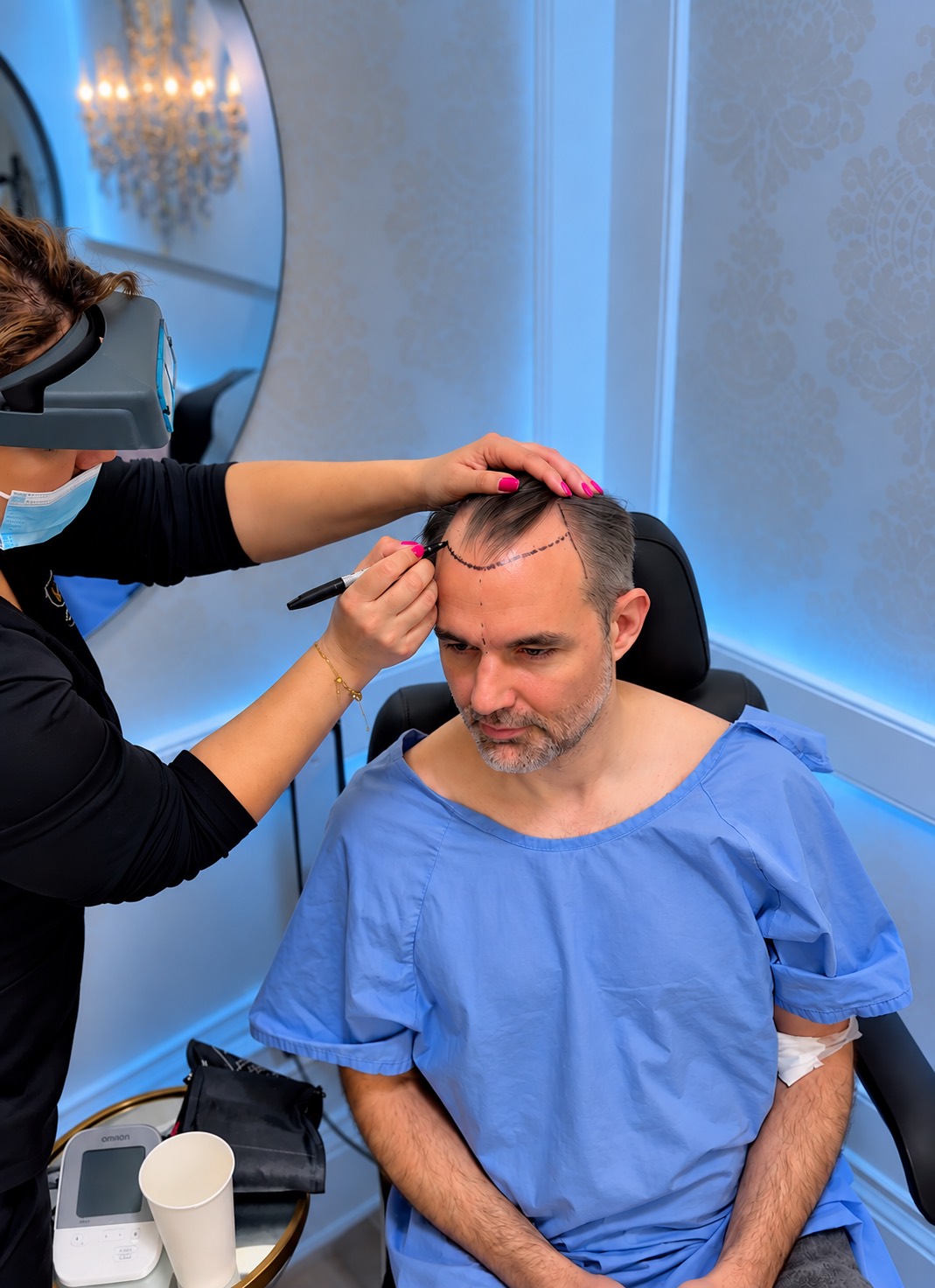
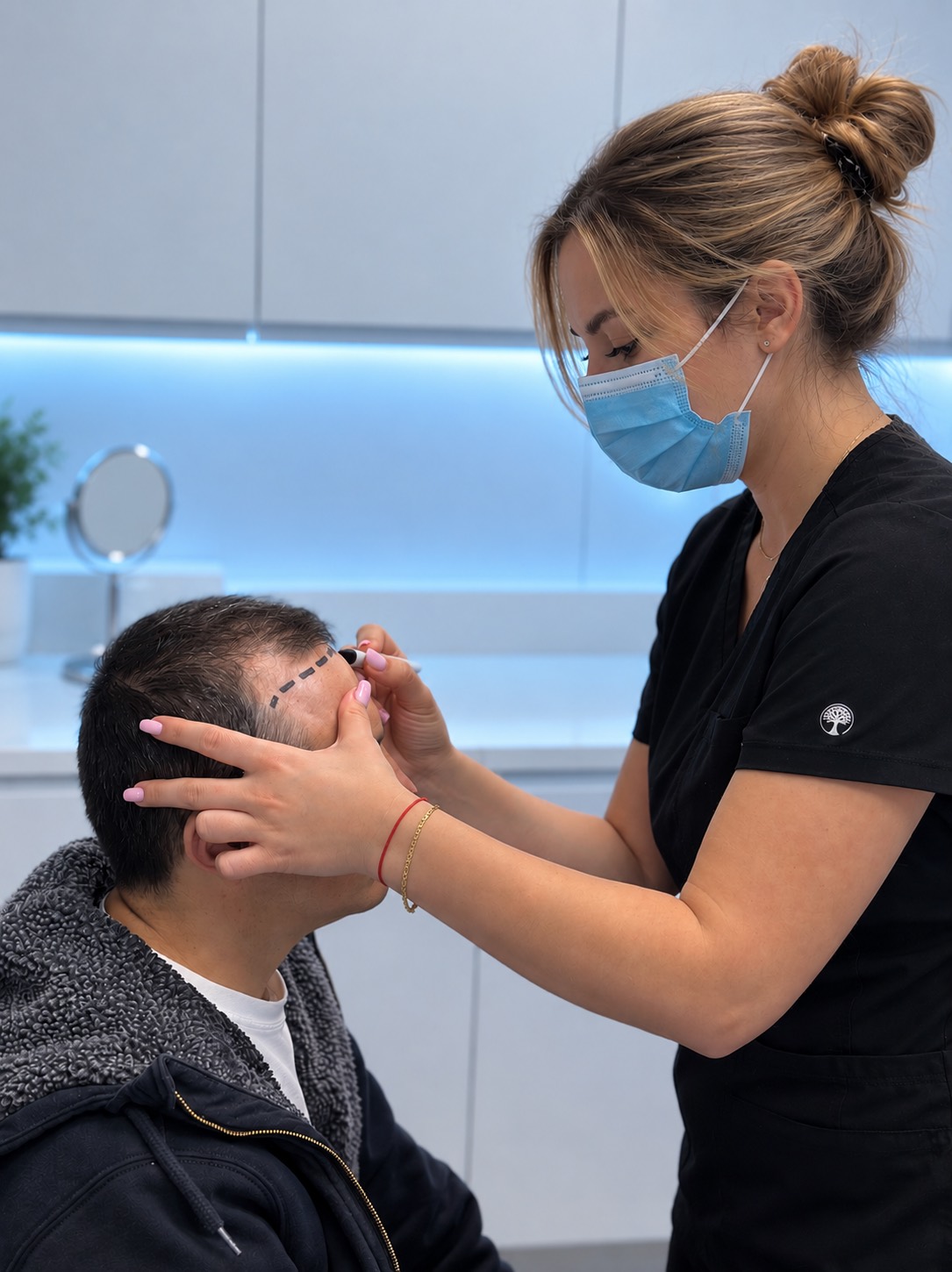
On the day itself, you change into a comfortable gown and robe, and the plan is reviewed with you one more time so the goals of the session are clear. Your new hairline is then drawn on the scalp, with attention to symmetry and to what will still look right as you age, and photos are taken to record your starting point.
For FUE, the donor area at the back of the head is trimmed short; for FUT, only the strip that will be removed is trimmed. Local anesthetic is then applied, and once the scalp is numb, harvesting begins. In FUE, each follicle is removed individually under magnification. In FUT, a narrow strip is removed and the donor site is closed with fine sutures.
During harvesting you lie face down so the back of your scalp is easy to reach. Many patients bring earbuds to listen to music, a podcast or an audiobook, and some simply rest.
The harvested grafts are checked under a microscope and sorted by the number of hairs they contain. Single-hair grafts are kept for the front edge of the hairline, while grafts with two or more hairs add density behind it.
For implantation you sit back in a reclining chair. Grafts are placed into recipient sites that follow your natural hair direction, at the angle and depth needed for a natural result. Many patients find the day far easier than they expected, and you can browse our before-and-after gallery to see what other patients have achieved.
Choosing to undergo a hair transplant is a significant decision, and our team at Nova Medical’s Philadelphia hair transplant clinic is committed to guiding you every step of the way to ensure you achieve the full, natural head of hair you desire.
Hair Transplant Recovery & Hair Growth in Philadelphia
Following your hair transplant at our Philadelphia clinic, there’s no need for concern about leaving with bandages; they’re usually not required. Right after the procedure, patients will immediately notice the enhancement in their hair’s volume on the scalp.
To minimize the risk of swelling and prevent infection, it’s important to take prescribed antibiotics and anti-swelling medication during the initial three days post-surgery. To ensure comfort while sleeping during the first couple of nights, mild pain medication is also advisable.
Returning to work and resuming daily routines is generally feasible without any downtime. Hair washing post-surgery is perfectly fine, provided it’s done gently to avoid disturbing the newly transplanted follicles.
However, waiting one to two weeks is recommended before engaging in physical activities such as swimming, heavy lifting, and vigorous exercises to ensure proper healing.
The growth of transplanted hair becomes evident around four to six months after the procedure. Many patients accelerate this process by applying Minoxidil, a topical hair growth solution, nightly. This can promote quicker growth of the transplanted hair.
The full benefits of the hair transplant are usually visible within 12 to 18 months, with the hair continuing to grow naturally for the rest of your life, allowing you to enjoy long-lasting results.