
PRP Hair Loss Treatment Philadelphia
Introducing Our PRP Hair Loss Treatment
Introducing our PRP Hair Loss Treatment Philadelphia. Our innovative treatment method involves the extraction of platelet-rich plasma also known as PRP directly from the patient’s own blood, which is then reinjected into the scalp. The goal of PRP hair loss treatments at Nova Medical Hair Transplant in Philadelphia is to utilize the body’s own cells to counteract hair loss effectively.
For many, thinning hair or a receding hairline is more than just a cosmetic issue; it’s a significant concern to one’s self-esteem and confidence. Given the overwhelming array of treatment options claiming safety and efficacy, it’s understandable to feel hesitant about making a decision. However, the choice of treatment is critical - after all, your self-confidence and hair is on the line.
At Nova Medical Hair Transplant in Philadelphia, we stand out for our dedication to delivering results that not only meet but exceed expectations. Unlike clinics that rely heavily on mechanical and automated techniques, our team is committed to achieving results that look natural and are tailored to each individual.
In addition to leveraging FDA-approved treatments, procedures and medications for hair loss, our clinic is excited to offer a groundbreaking solution: a state-of-the-art treatment utilizing platelet-rich plasma (PRP). This innovative approach capitalizes on the body’s innate healing mechanisms to stimulate new hair growth, making it an increasingly popular choice among those seeking effective solutions for hair loss like PRP hair loss treatment Philadelphia. The PRP treatment, gaining momentum in the realm of hair restoration, is particularly effective for addressing pattern hair loss in both men and women and can also be used to enhance facial hair restoration, including eyebrows and beards.
If achieving natural-looking results from a hair, beard, or eyebrow transplant is what you seek, we invite you to reach out to us. Our clinic is ready to address any questions or concerns you may have about our hair loss treatments. Contact Nova Medical Hair Transplant in Philadelphia today to learn more or to arrange a consultation. Let us guide you towards regaining not just your hair, but your confidence too.
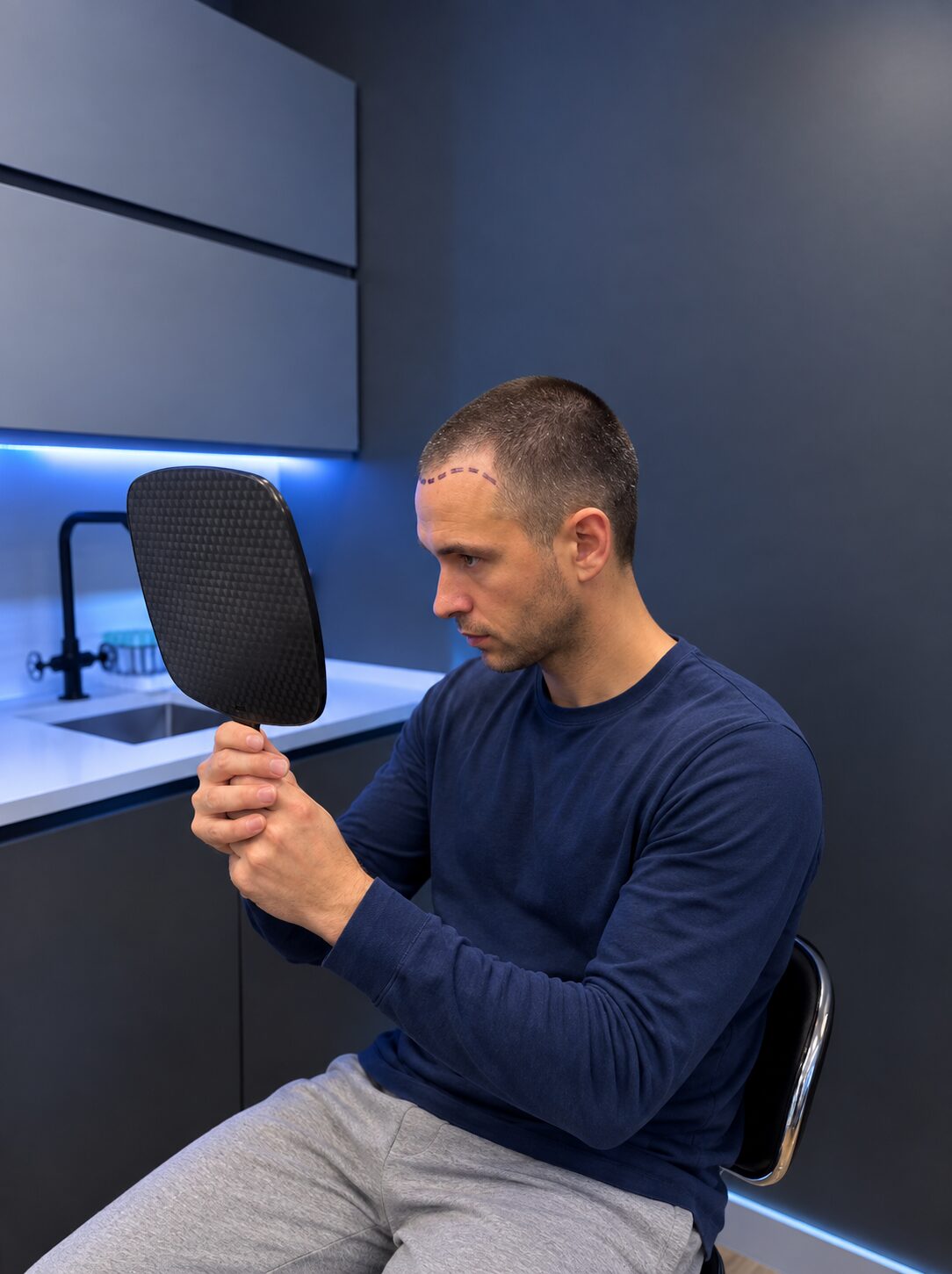
What to Expect from a PRP Treatment at Our Philadelphia Clinic
-
1
Hair Loss Evaluation
We begin by examining your scalp and asking about your health and family history, so we can say plainly whether PRP is likely to help or whether a different approach makes more sense.
-
2
Simple Blood Draw
Choosing to get a PRP hair loss treatment with us marks the first step towards addressing hair thinning or loss. The process begins similarly to a routine blood test, where we draw a small amount of blood from your arm using standard medical practices.
-
3
Plasma Concentration
This blood sample is then processed in a sterile centrifuge, which spins the blood at high speed to separate its components and isolate the platelet-rich plasma (PRP) needed for your treatment.
-
4
Precise Scalp Injections
Before the PRP is injected into your scalp, the medical expert overseeing your treatment will apply local anesthesia to the targeted area. This ensures that you experience minimal to no discomfort throughout the procedure, allowing for a more comfortable and anxiety-free experience.
-
5
Ongoing Sessions
PRP works cumulatively. After the first treatment, sessions are usually repeated every three to four months so the follicles keep receiving support.
PRP Pricing in Philadelphia
What PRP costs at our Old City clinic depends on how many sessions your plan includes and whether PRP stands alone or forms part of a wider restoration plan. Since it is a course of treatment, we price it around your goals instead of quoting one flat fee.
Some people use PRP to hold on to the hair they have while thinning is still mild; others add it to an FUE or FUT procedure. At your consultation we map out a realistic schedule and explain exactly what it covers.
Financing is available, and our pricing and financing page has the details. Your quote is set out in writing, with no hidden extras and no pressure to decide on the spot.
Your Hair Back?
Support thinning hair while the follicles are still able to respond.
Request a Free Consultation
No obligation • Same-week availability
Duration and Expectations for PRP in Philadelphia
The PRP hair loss treatment at our Philadelphia clinic is designed for efficiency and comfort, taking approximately 60 to 90 minutes from start to finish. Thanks to the application of local anesthesia, discomfort during the process is greatly minimized, ensuring a smooth and comfortable experience for our patients. As a non-surgical and minimally invasive option, PRP therapy leaves no scars or requires any sutures, allowing you to resume your daily routine almost immediately. You can drive yourself home after the treatment and return to work or your usual activities the very next day. However, we advise avoiding strenuous physical activities for a few days post-treatment to ensure the best healing conditions.
Typically, patients begin to see promising results within 4 to 6 months following their initial treatment. For the most effective outcomes, we recommend scheduling follow-up sessions every 3 to 4 months. Whether as a standalone treatment or in conjunction with other hair restoration methods, PRP therapy offers a powerful approach to mitigating hair loss. That said, combining treatments often provides the best results in reversing or significantly reducing hair loss in healthy individuals.
Our PRP services are among the finest available in Philadelphia. To discover more about how we can assist you or to arrange a consultation, please contact us by giving us a call or by filling out a contact form.
Is PRP Right for You?
PRP needs living follicles to work on, so it suits men and women whose thinning is still early to moderate. It is also a good option if you prefer to avoid surgery, or want to support your own hair around a transplant. It tends to help most if you have:
- Thinning that is noticeable but still has active follicles beneath it
- Male or female pattern hair loss in its earlier stages
- More shedding than usual, or thinning spread across the whole scalp
- A wish to try a non-surgical step first, or to boost a transplant
- Good general health and no blood or platelet disorders
- Realistic goals: PRP supports existing hair but cannot regrow follicles that are gone
Why Patients Choose PRP
A gentle treatment that draws on your body’s own repair system.
No Surgery
PRP is delivered through fine injections, with no incisions, stitches or scars, which makes it one of the gentlest hair loss treatments available.
Your Own Blood
Everything injected is prepared from your own blood, so there is nothing foreign involved and allergic reactions are very unlikely.
Straight Back to Your Day
Most people drive themselves home and carry on as normal the next day, with nothing more than brief tenderness.
Feeds Weakening Follicles
Concentrated growth factors support follicles that are starting to miniaturize, helping existing hair grow thicker and healthier.
Complements a Transplant
Used alongside FUE or FUT, PRP helps protect the native hair around the transplanted area as part of a complete plan.
Fits a Busy Schedule
Each session takes about 60 to 90 minutes at our Philadelphia clinic, with no recovery period to plan around.
Where PRP Helps Most
Whether PRP will help depends on why your hair is thinning, which is the first thing we establish. It tends to be most useful for:
- Early pattern loss - male or female pattern thinning caught while the follicles are still producing hair
- All-over thinning and shedding - loss spread evenly across the scalp rather than a defined bald patch
- After a transplant - helping the surrounding native hair through recovery
- Thinning in women - a non-surgical option often considered alongside female hair restoration
PRP cannot bring back hair where the scalp is already completely bald, because there are no follicles left to stimulate. In that situation a transplant is usually the better route, and we will say so honestly.
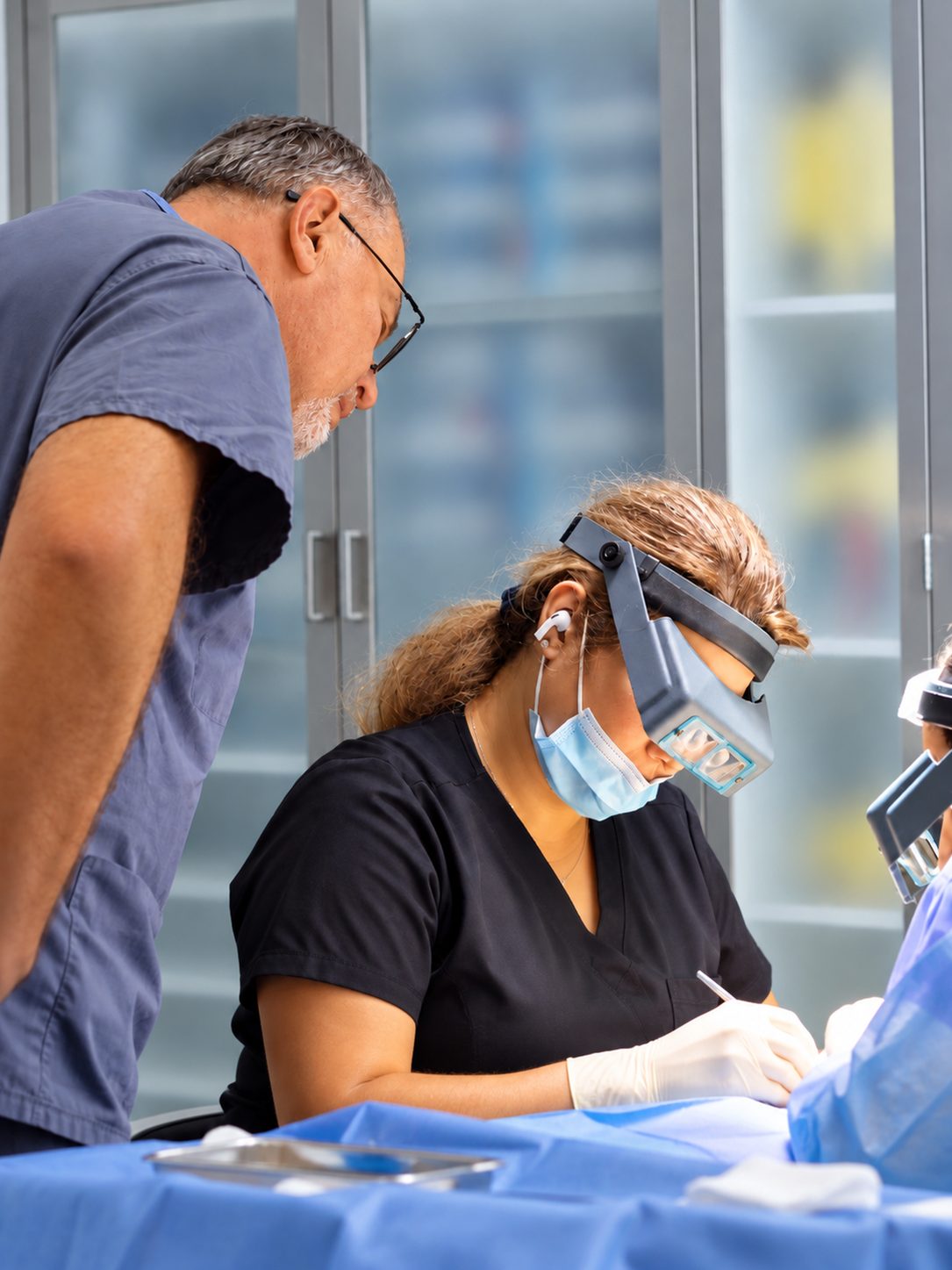
Our PRP Hair Loss Treatment System and How it Works
The concentration of platelet-rich plasma delivered to the scalp matters, which is why our Philadelphia clinic prepares PRP with the Regen Lab system, a closed medical device designed to separate and concentrate platelets from a small sample of your own blood.
A closed, standardized system keeps preparation consistent from one session to the next, and the PRP is injected precisely into the areas of thinning rather than sprayed with a needle gun. PRP works best as part of a plan that may also include medication or a hair transplant. Results vary from person to person, so we set realistic expectations at your assessment.
Most patients start with an initial series of sessions followed by maintenance treatments. We track progress with photos at follow-up visits, so you can see whether PRP is helping and decide together with our team whether to continue.
Preparing for Your PRP Visit
-
1
Eat and Hydrate
Have a normal meal and drink plenty of water beforehand. Good hydration makes the blood draw quicker and helps you feel well during the visit.
-
2
Check Your Medications
Blood thinners, anti-inflammatories and alcohol can affect platelets. Do not stop prescribed medication on your own; we will tell you in advance if anything should be paused.
-
3
Arrive With Clean Hair
Wash your hair that morning and skip gels, sprays and other styling products. There is nothing else to arrange, and most people go straight back to their day afterward.
PRP Results Over Time
- Session Day
A 60 to 90 minute appointment under local anesthetic. The scalp may feel tender or tight for a short while afterward.
- 24-48 Hrs
Skip hard workouts, saunas and strong hair products for a couple of days; otherwise life carries on as normal.
- Weeks 2-6
Often the first sign is simply less hair in the brush or the shower drain.
- Months 4-6
Improvements in thickness and density usually become visible in this window and continue to build.
- Every 3-4 Mo
Regular top-up sessions keep the follicles supported, because PRP strengthens hair rather than changing it permanently.

Understanding PRP Therapy for Hair Loss
The human body possesses a remarkable capacity for self-repair and regeneration, a process that plays a pivotal role in maintaining hair health. Among the various healing components in our blood, stem cells stand out for their ability to evolve into healthy tissues, including those vital for hair growth. These cells are key in activating growth factors that are essential for hair renewal and vitality. In our approach to hair treatment, we leverage this natural potential by extracting platelet-rich plasma (PRP) through a process of centrifugation, enriching these growth factors to foster hair growth and revitalization.
Although the application of PRP in hair loss management is a more recent innovation relative to traditional hair restoration techniques, its effectiveness is well-established in other aesthetic and medical procedures. PRP hair loss treatment Philadelphia therapy has been successfully utilized for decades to enhance wound healing and skin rejuvenation, with its benefits extending across various specialties such as Plastic Surgery, Sports Medicine, Oral Surgery, Orthopedics, and Neurosurgery.
The rationale behind using PRP for hair loss hinges on its growth-stimulating properties, which are theorized to reactivate dormant hair follicles, thereby kickstarting the body’s innate hair-producing mechanisms. While PRP treatments for hair loss are relatively new, preliminary evidence suggests promising outcomes, with approximately 50% of patients experiencing positive results following their PRP sessions. This innovative therapy is part of our comprehensive suite of hair restoration services offered at Nova Medical Hair Transplant in Philadelphia, reflecting our commitment to harnessing advanced techniques to enhance your hair’s natural growth and appearance.
Why Our PRP Treatment Stands Out
At Nova Medical Hair Transplant in Philadelphia, we understand that the quality of PRP treatments can significantly vary. That’s why our clinic is committed to utilizing only the most advanced PRP technology available today. Our system is designed to produce a PRP concentration that is at least 5 times higher than what is typically generated by standard PRP systems, ensuring that our patients receive the most potent treatment possible. While individual responses to PRP therapy can differ, our advanced system is engineered to yield the best outcomes under typical conditions.
Unlike traditional PRP injection methods that often employ gun injections and may not reach the necessary depth to effectively stimulate the hair shaft and its supporting growth tissues, our approach ensures deep and precise delivery. This precision is crucial for the success of the PRP hair loss treatment Philadelphia hair restoration process and can only be achieved under the care of skilled surgeons. Our clinic’s strength lies in the expertise of our team, with each patient receiving treatment directly from our experienced and highly trained surgeons.
Safety and efficacy are paramount in our PRP services. We provide comprehensive information about the treatment options available, offering honest advice on the suitability of PRP injections for each individual. Our team conducts detailed assessments to explore all possible treatment avenues, tailoring our recommendations to fit your specific needs and goals. This ensures that you are presented with the solution best suited to foster and maintain hair growth. While PRP hair loss treatment Philadelphia therapy is an effective standalone option for those in the initial stages of hair loss, women experiencing hair thinning, or as a complementary treatment during hair transplant procedures, it is not a substitute for a hair transplant. However, when integrated with a hair restoration plan, PRP treatments can significantly enhance the overall results, providing a holistic approach to achieving optimal hair health and density.
Ask About PRP Treatment
Free assessment • No obligation