
Hair Transplant Repair Philadelphia
Fixing a Hair Transplant That Didn’t Go to Plan
A hair transplant is supposed to end a worry, not start a new one. If an earlier procedure left you with a hairline that looks wrong, thin coverage or a scar you keep hiding, our Philadelphia clinic can help put it right.
Alongside first-time procedures using FUE and non-surgical care such as PRP, a growing share of our work is corrective: patients who had surgery years ago with older methods, or more recently somewhere that cut corners, and now want a result that finally looks like their own hair.
Corrective work is harder than a first procedure. Donor hair has already been used, the scalp may carry scar tissue, and every new graft has to blend with hair placed by someone else. That is why each repair at our Old City clinic starts with a detailed assessment and a plan reviewed by Dr. Val Prokurat, MD.
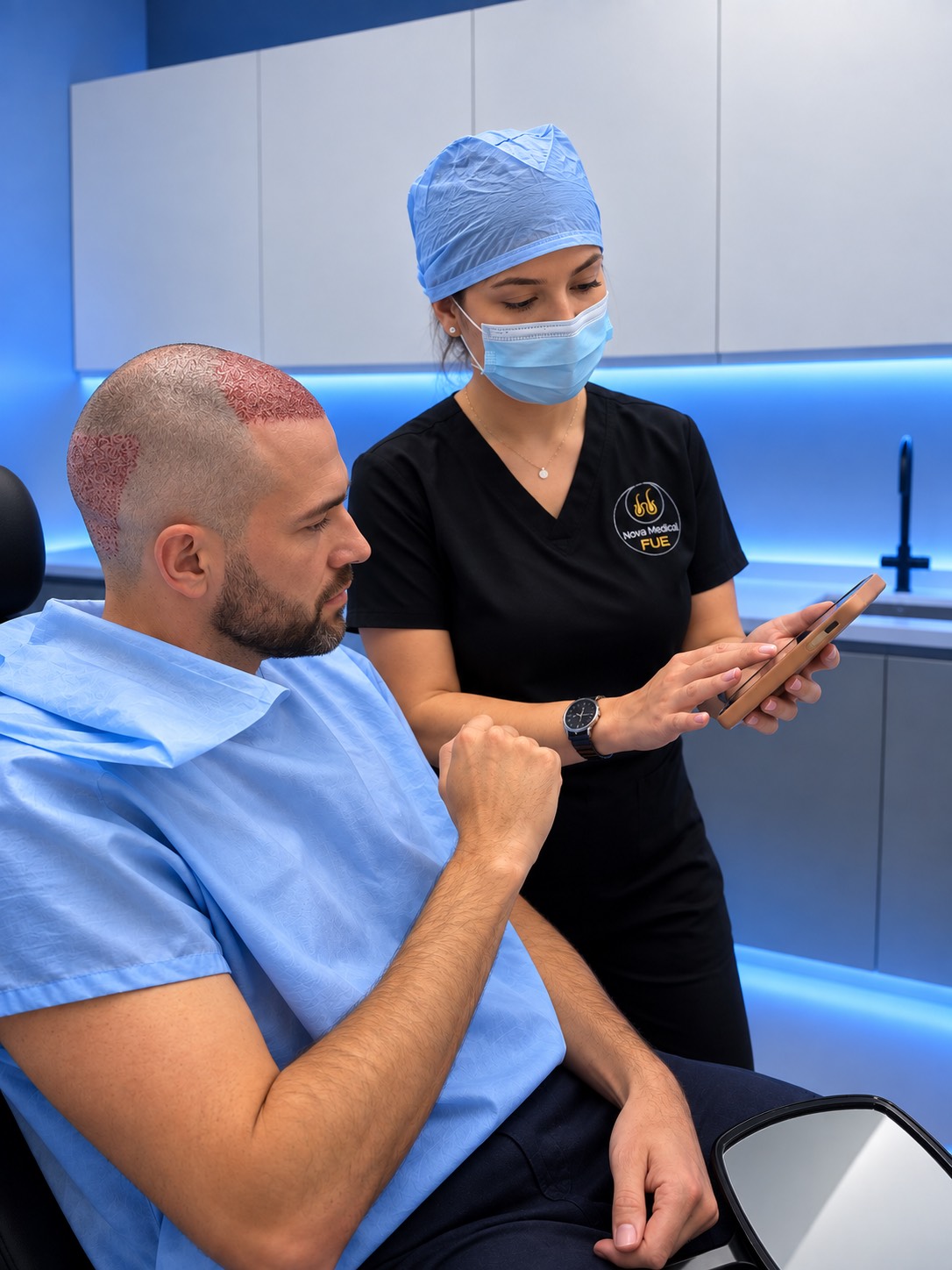
Common Reasons Patients Need a Repair
Most of the repair cases we see in Philadelphia fall into two groups: results from techniques that are now outdated, and modern procedures that were carried out poorly.
Older Methods That Show Their Age
Procedures from the 1980s and 1990s used tools and graft sizes that would not be used today, and the results often became more obvious as the years went by:
- Doll-like plugs: large round grafts holding many hairs each, set in rows that look like a hairbrush rather than a hairline
- Wide donor scars: early strip surgery that healed into a thick, visible line across the back of the head
- Islands of hair: transplanted hair left stranded as the surrounding native hair kept receding
Modern Procedures Done Badly
FUE is an excellent technique in the right hands, but low-cost or high-volume clinics do not always plan or perform it with care. Typical problems include:
- A hairline in the wrong place: too low, too straight, too sharp or uneven from side to side
- Grafts pointing the wrong way: hair that sticks out or grows against the natural direction, so it never lies flat
- Poor growth: grafts that were mishandled or dried out, leaving thin, patchy or see-through areas
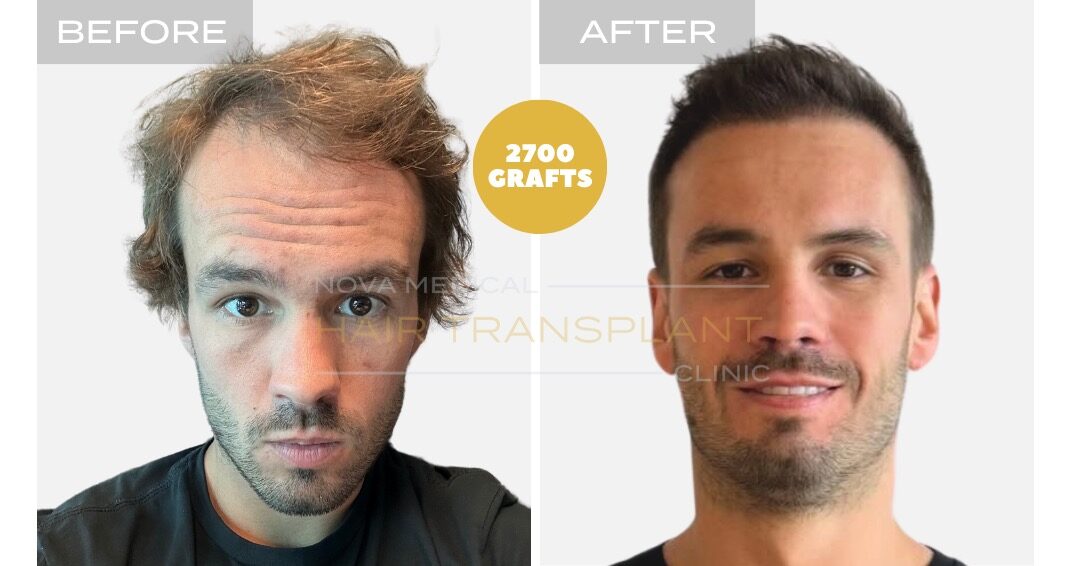
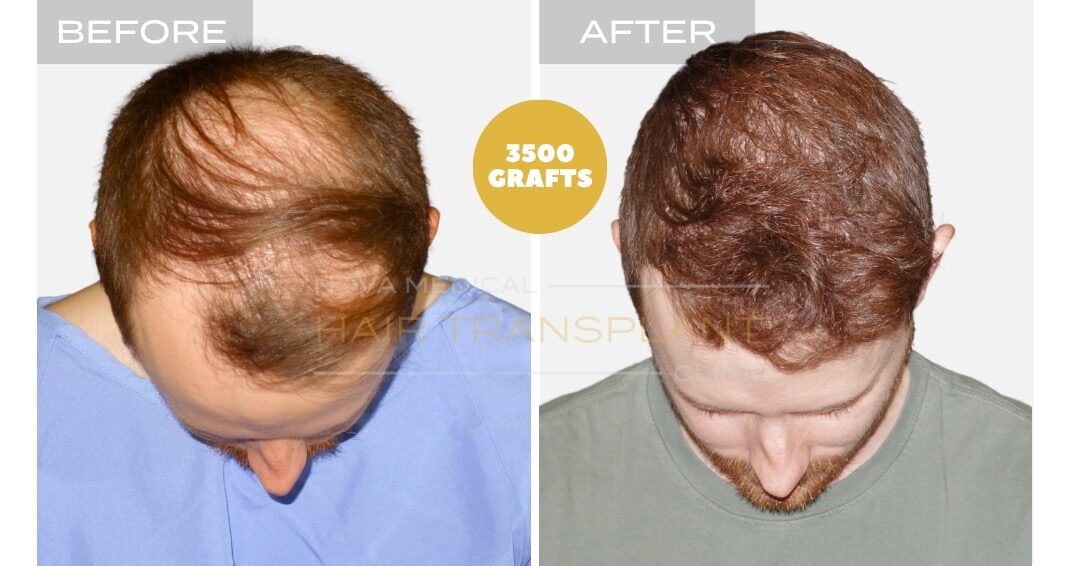
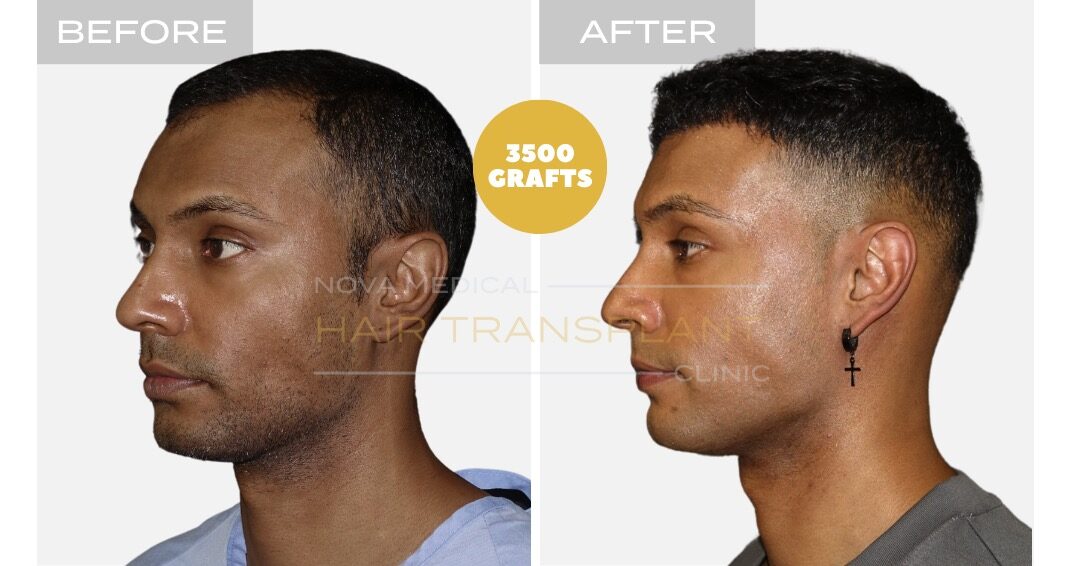
Before & After Gallery
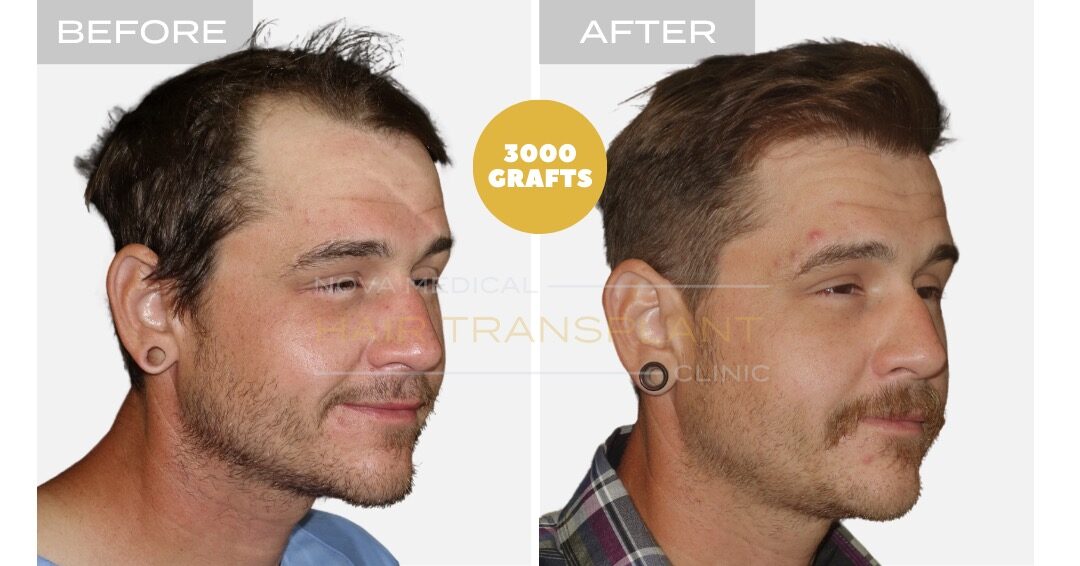
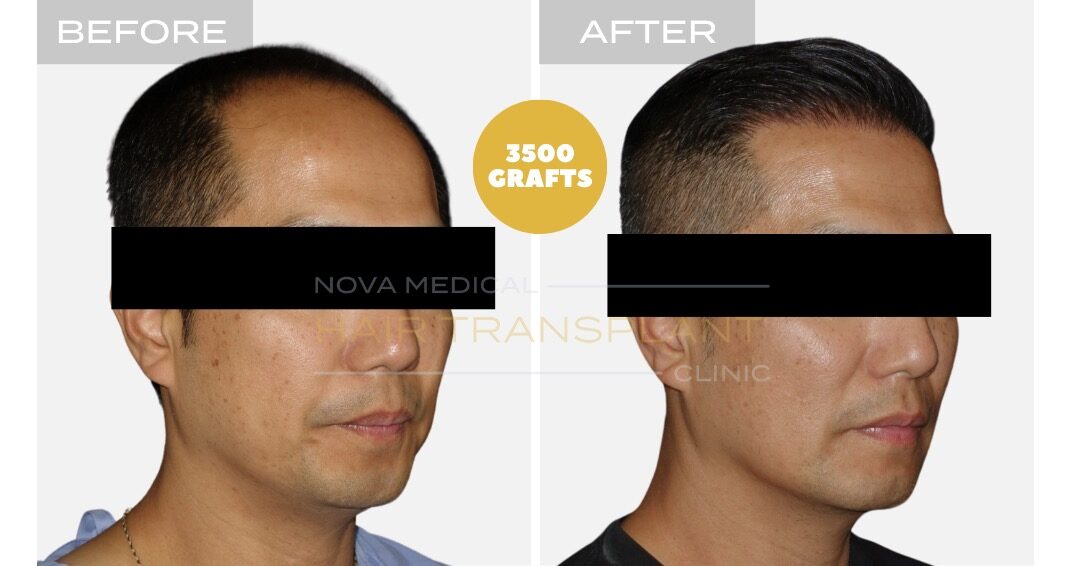
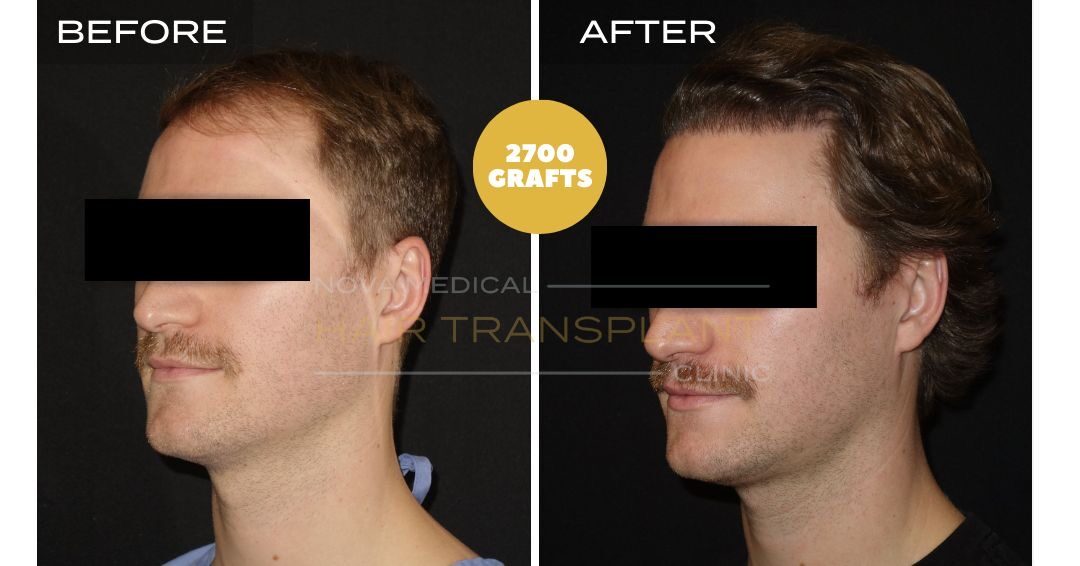
How We Approach a Repair
We know how discouraging it is to pay for surgery and end up needing more. Our first job is to understand exactly what went wrong, how much usable donor hair is left and what can realistically be improved, before suggesting any treatment.
Depending on the problem, that might mean softening a harsh hairline with single-hair grafts, removing or redistributing badly placed grafts, adding density to thin areas or disguising a donor scar. Often it is a combination of these.
You can see examples of our work in the before-and-after gallery, and we are happy to talk through cases similar to yours at your consultation.
Using FUE to Correct Earlier Work
Most repairs we carry out rely on FUE, because harvesting one follicle at a time lets us take hair from the safest parts of the donor area and place it with great precision. The work usually focuses on three things:
- A new hairline design: a softer, slightly irregular front edge drawn to suit your face and age
- Careful graft placement: single and double-hair grafts set at the right angle to hide or blend older work
- Scar camouflage: grafts placed into old donor or recipient scars so they become far less visible
Your Hair Back?
A second chance at hair that looks like yours.
Request a Free Consultation
No obligation • Same-week availability
Tools We Use in Repair Cases
Scar tissue and a depleted donor area make repairs more demanding than a first procedure, so we combine several approaches:
Scar Camouflage
Follicles are placed directly into old scars, from strip surgery or earlier plug procedures, so hair grows through them and hides the line.
PRP Support
PRP made from your own blood can be added to support graft healing and strengthen the native hair around the repaired area.
Staged Planning
Some repairs are best done in stages, letting each session heal before the next so we can judge the result and protect your remaining donor hair.
What a Repair Involves
From first visit to final result, a repair at our Philadelphia clinic follows four stages:
- 1
Assessing the Earlier Work
We examine your scalp up close, look at how the previous grafts were placed and talk through what bothers you most.
- 2
Checking What Is Left
We measure the remaining donor density, since earlier surgery may have used up part of your supply.
- 3
Corrective Surgery
Under local anesthetic, the team reshapes the hairline, adds density, corrects grafts or camouflages scars as planned.
- 4
Recovery and Follow-Up
You receive written aftercare and follow-up visits through the growth period; our recovery guide explains each stage.
Why Patients Trust Us With a Repair
After one disappointing experience, it is natural to be cautious. Here is what you can expect from our Philadelphia team:
- ✓
A Focus on Hair Only
Hair restoration is all we do, including corrective cases that other clinics often turn away.
- ✓
Fine Instruments
Small punches and magnification let us work around existing grafts and scar tissue with care.
- ✓
Honest Advice
If a repair will not make a meaningful difference, we will tell you rather than sell you a procedure.
- ✓
One Accountable Physician
Dr. Val Prokurat, MD, reviews every repair plan, and the same in-house team cares for you from start to finish.
Talk to Us About Your Previous Transplant
Unhappy with how an earlier transplant turned out? Bring any photos or records you have from the original procedure, and our Philadelphia team will give you a clear, honest view of what can be improved.
Call us or use our contact page to book a free, confidential assessment.