
DHI Hair Transplant Philadelphia
Direct Hair Implantation,
Explained
At Nova Medical, a DHI hair transplant in Philadelphia is planned for patients who want close control over exactly where, and at what angle, each new hair grows. It is one of several hair restoration techniques available at our Old City clinic.
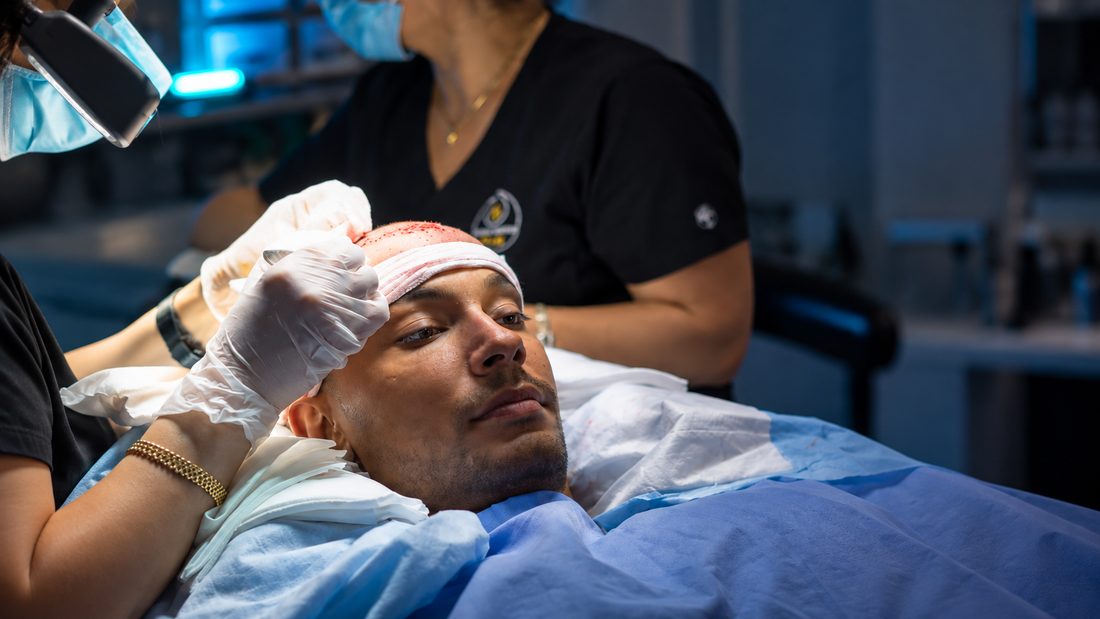
DHI stands for Direct Hair Implantation. Like FUE, it begins by removing individual follicular units from the back and sides of the scalp. What changes is the second half of the procedure: rather than opening recipient sites first and filling them later, each graft is loaded into a slim implanter pen and inserted into the scalp in one step.
Because the implanter sets the depth, direction and angle of every graft as it goes in, DHI lends itself to detailed work such as shaping a hairline, softening the temple corners or adding hair between existing strands without disturbing them.
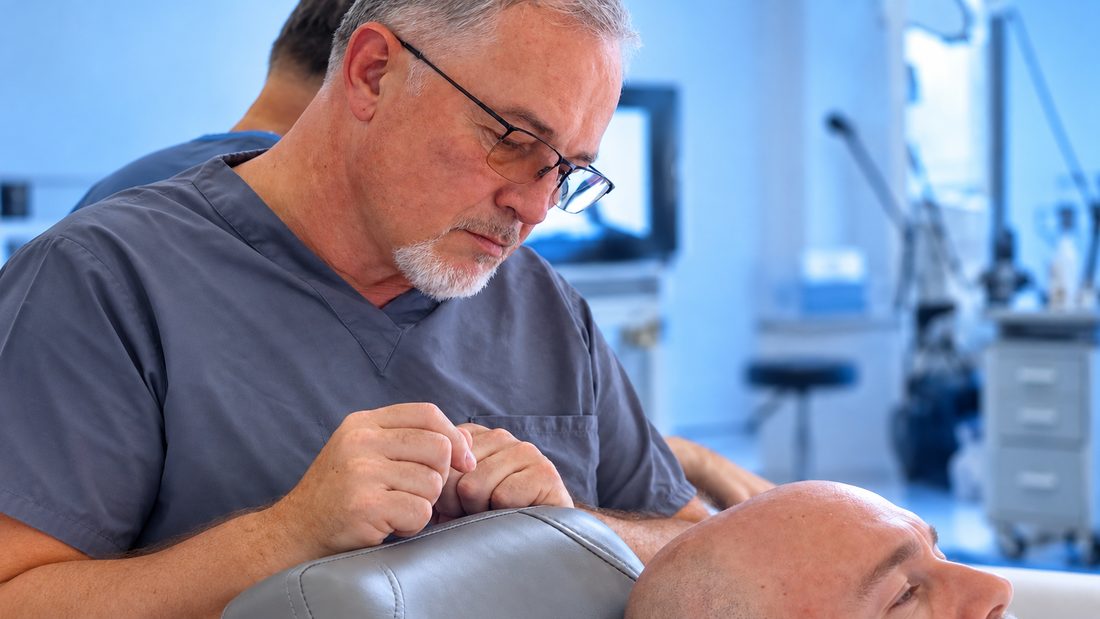
Every DHI plan at our Philadelphia clinic is reviewed by Dr. Val Prokurat, MD, who decides with you whether DHI, standard FUE or a mix of the two will serve your hair and donor supply best.
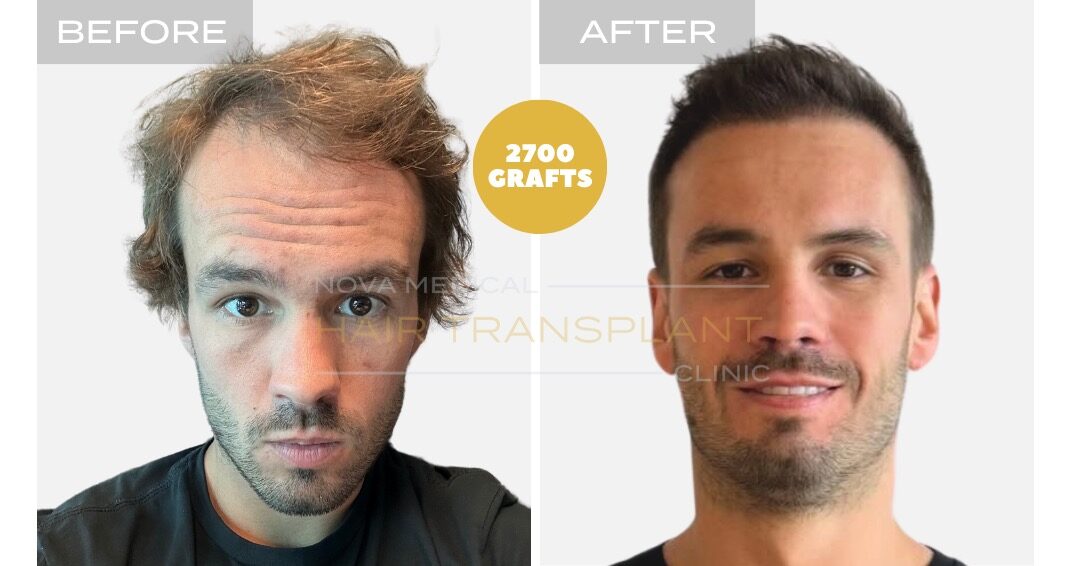
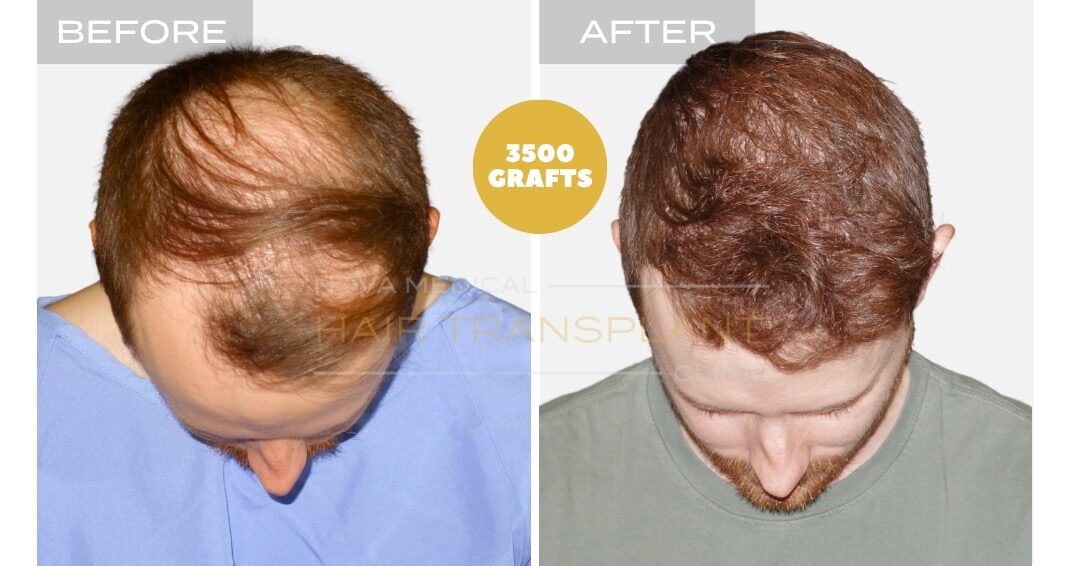
Before & After Gallery
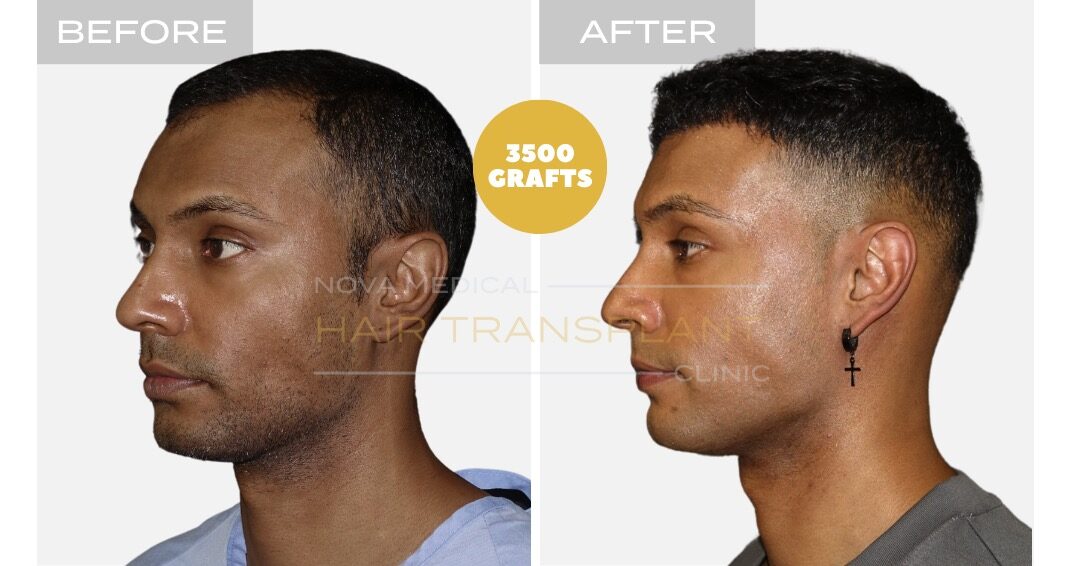
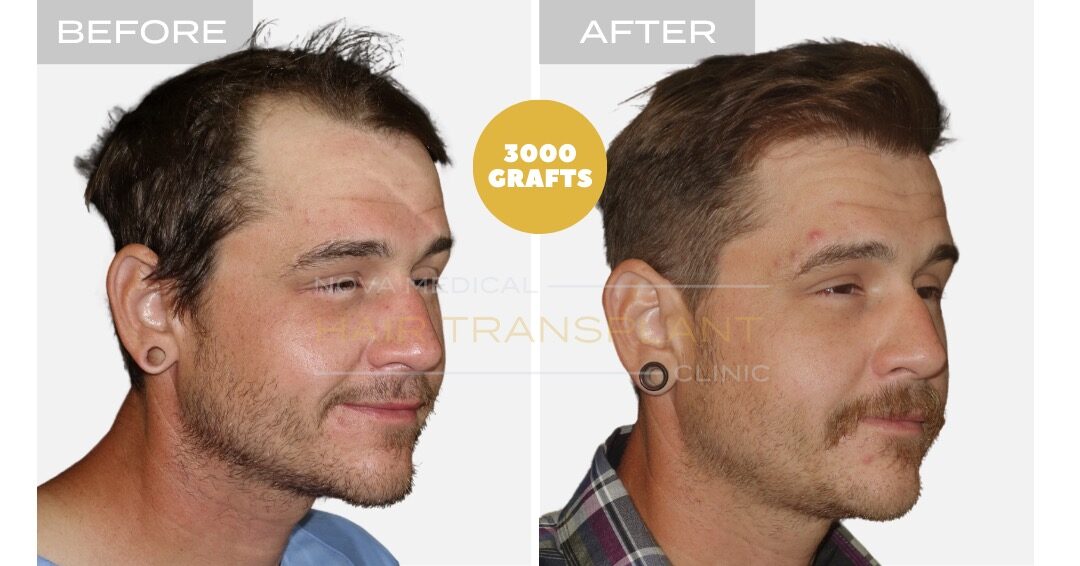
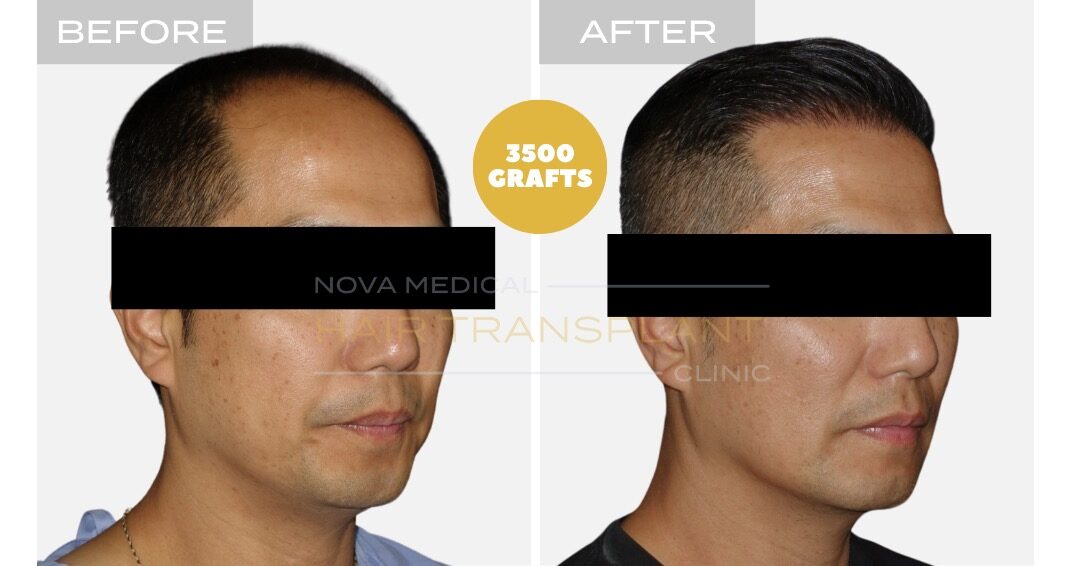
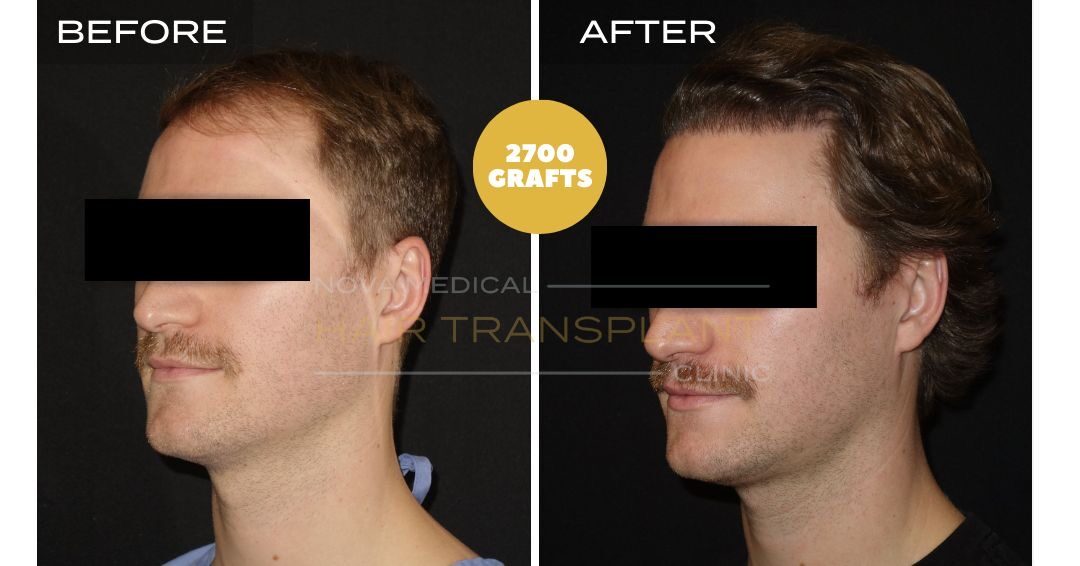
Why Patients Choose DHI in Philadelphia
Implanting each graft directly changes how follicles are handled and placed, which brings several practical advantages:
A Natural Growth Pattern
Each graft is angled to follow the hair around it, so the finished hairline and density read as natural growth rather than as a transplant.
Less Disruption to the Scalp
Recipient sites are not opened in a separate stage, which means less handling of the treated skin and a smoother healing period for many patients.
Better-Protected Grafts
Grafts travel from extraction to implantation quickly, and spending less time outside the body is one of the factors that helps follicles survive and grow.
Back to Routine Sooner
As a gentle, minimally invasive technique, DHI lets most patients return to desk work and everyday plans within a few days.
No Strip, No Stitches
Follicles are harvested one at a time and implanted with a pen, so there is no linear incision to close and nothing to remove afterward.
Control Over Every Hair
The implanter lets the team set the exact depth, direction and angle of each follicle, which matters most along the front hairline.
Low Complication Risk
Small, individual entry points and careful graft handling keep the chance of infection or noticeable marks low.
Adapts to Your Pattern
DHI can rebuild a receding hairline, add fullness to a thinning crown or fill smaller patches, on its own or alongside FUE.
Confidence That Shows
For many people, a fuller hairline brings back an ease in photos, at work and in social situations that they had not realized they were missing.
Planned Around You
Graft numbers, hairline shape and density targets are set for your scalp and your goals, never copied from a standard template.
How a DHI Procedure Works
DHI follows a careful sequence designed to keep grafts healthy and their placement exact:
- Harvesting: Follicular units are removed one by one from the donor zone at the back and sides of the head, where hair is naturally more resistant to thinning.
- Loading the implanter: Each graft is checked under magnification and loaded into a fine implanter pen matched to its size.
- Direct implantation: The pen inserts the graft straight into the scalp at the planned angle and depth, creating the site and placing the follicle in a single motion.
- Minimal waiting time: With no separate site-making stage, grafts spend less time out of the body and the treated area is handled as little as possible.
Who Is a Good Candidate for DHI in Philadelphia?
DHI tends to suit patients whose goals call for precision. You may be a good fit if you:
- Want a refined, natural-looking hairline or carefully shaped temples
- Have a smaller or clearly defined area of thinning to restore
- Would like to add density among existing hair without disturbing it
- Prefer a minimally invasive approach with a short recovery
- Want a result that is hard to spot, even up close
At your consultation, our team looks at your hair loss pattern, scalp health and donor supply before recommending DHI, so you only choose it if it is genuinely the right fit.
Check My Candidacy - FreeYour Hair Back?
Natural hair is the crown you never take off.
Request a Free Consultation
No obligation • Same-week availability
DHI or FUE?
The two techniques are close relatives. Both remove hair one follicle at a time, so neither creates a long donor scar. In FUE, the team makes all of the tiny recipient openings before placing grafts into them, a method that moves quickly through large sessions and handles almost any pattern of loss. In DHI, the opening and the placement happen together, through the pen, which is slower but gives finer control over the angle of each hair. Neither is best for everyone: your hair, your donor supply and the look you want decide the choice, and many plans use both.
How DHI Compares to FUT
FUT, often called strip surgery, removes a narrow band of scalp from the back of the head, which is then closed with sutures and leaves a fine linear scar. DHI and FUE skip the strip entirely, so there are no stitches and very short haircuts remain an option. Between those two, DHI is the more detailed and time-intensive technique, while Sapphire FUE refines the way recipient sites are made, using sapphire blades instead of steel.
Getting Ready for Your DHI Procedure
A little preparation makes the day smoother and gives your grafts the best start:
- Consultation: Meet our Philadelphia team to review your hair loss, your medical history and the result you are aiming for.
- The week before: Follow our written guidance on pausing certain medications and supplements, and avoid alcohol and smoking, all of which can affect healing.
- Scalp care: Wash your hair as directed in the days leading up to treatment so the scalp is clean and ready.
- The night before: Skip alcohol and aim for a full night of sleep.
- On the day: Wear a comfortable button-front top and arrange a ride home, since you may feel tired afterward.
Aftercare and Support After DHI
You go home with clear written aftercare instructions. For the first few days, leave the transplanted area alone: no touching, scratching or washing it until we tell you it is safe.
We then show you how to clean the scalp gently and when to return to your usual hair routine, and we book follow-up visits to check your recovery and new growth.
If anything worries you between visits, our Philadelphia team is a phone call away, from your first night at home until your final result.
Free ConsultationHow Long Do DHI Results Last?
DHI results are intended to be permanent. The follicles we move come from areas that are genetically resistant to balding, and they keep growing in their new position for life.
-
1
Permanent Grafts
Donor follicles from the back and sides of the scalp are not affected by DHT, the hormone that drives pattern hair loss, and they carry that protection with them after implantation.
-
2
When You See the Result
Transplanted hairs usually shed in the first weeks, regrowth starts from about the third or fourth month, and most patients see their full result between 12 and 18 months.
-
3
Your Natural Hair Over Time
A transplant protects the hair it adds, not the hair you already have. Native hair may keep thinning with age, so we plan with the future in mind and may suggest supportive treatment.
-
4
Healthy Habits Help
A balanced diet, not smoking and good scalp care all help your new and existing hair stay strong.
-
5
Long-Term Follow-Up
Periodic check-ins let us track your density over the years and recommend extra care, such as PRP, if it would help.
Why Choose Our Philadelphia Clinic for DHI?
Physician-Led Planning
Dr. Val Prokurat, MD, reviews every DHI plan, and an experienced in-house team carries it out using the same protocol on each case.
Modern Implanter Tools
We use purpose-built DHI implanter pens and magnification so each graft is placed precisely and efficiently.
Care Built Around You
From graft count to hairline shape, your plan reflects your hair, your face and your goals, not a fixed package.
Results Designed to Age Well
Hairlines are planned to look natural when they first grow in and to stay right for your face in the decades ahead.
A Thorough First Consultation
We examine your scalp, measure your donor supply and talk through your options in detail before anything is booked.
Comfort and Safety First
Local anesthesia, a private procedure room and regular breaks keep the day comfortable, and careful aftercare keeps downtime short.
Clear, Ongoing Communication
You always know what comes next, and our team is easy to reach at every stage of your treatment.
Book a DHI Consultation in Philadelphia
If you are weighing up DHI, the best next step is a free assessment with our Philadelphia team. We will examine your scalp, explain whether DHI, FUE or a combination suits you and give you a written plan. Your price depends on your graft count and goals; our hair transplant cost page explains how pricing works, with no session fees and 0% financing for the first 12 months.
Whatever you decide, you leave with clear information and no pressure to commit on the day.