
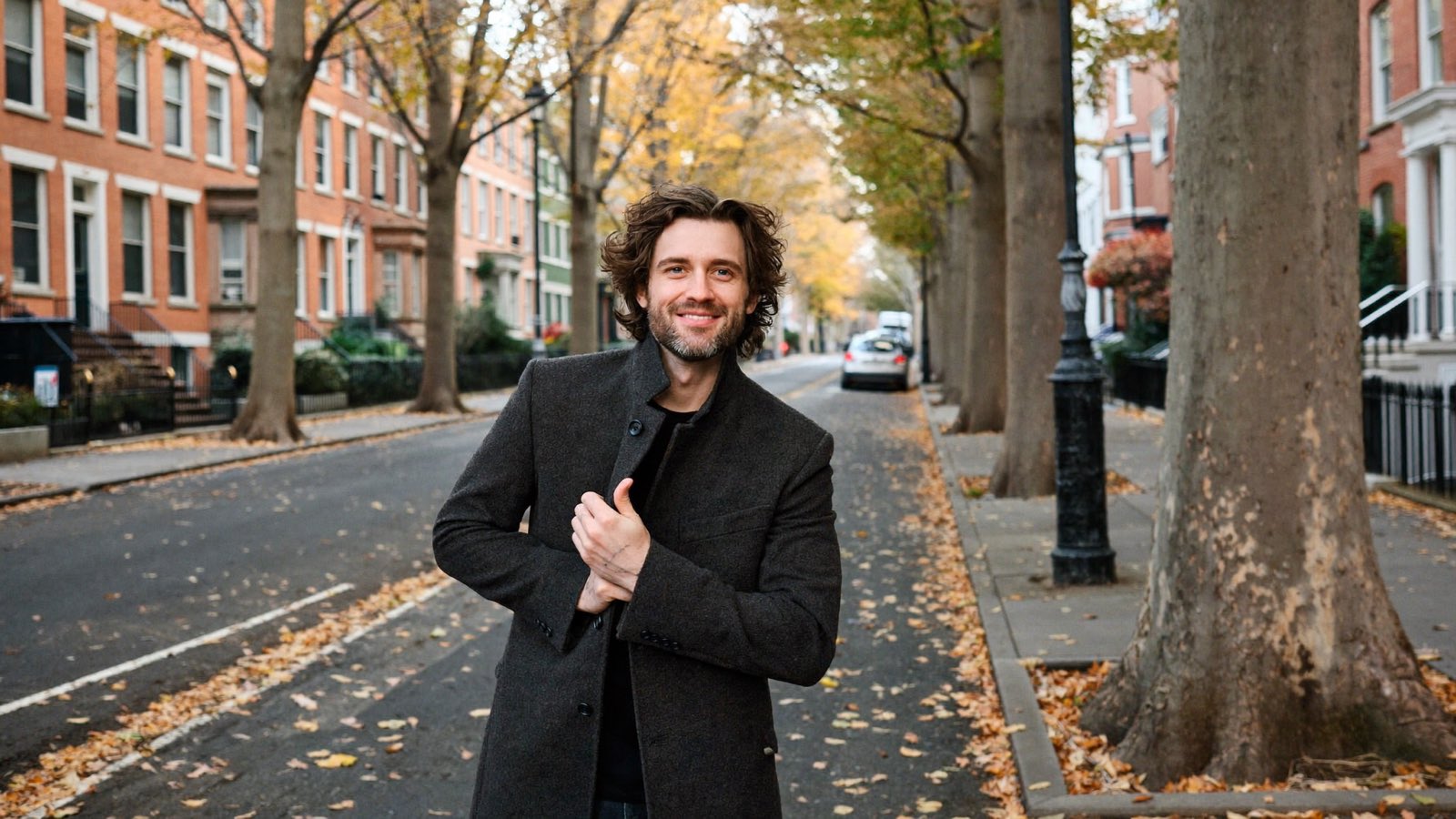
A non-shave hair transplant moves grafts without shaving your whole head, so your existing hair stays long and covers the work while it heals. It suits people who need a modest number of grafts, have enough hair length to hide the donor and recipient areas, and want to return to work or social life without an obvious change. It is less suited to large sessions, because working between long hairs takes more time and limits how many grafts can be moved in a day. At our clinic, non-shave options are part of FUE in Philadelphia and are discussed at every consultation.
This guide explains who usually qualifies, how the main non-shave approaches differ, the trade-offs you should weigh and what recovery looks like when your hair stays long. It also covers when a short shave is the better choice, even for someone who would prefer to avoid one.
In brief: non-shave suits smaller cases, such as refining a hairline, filling temples or adding density among existing hair. Many people choose a middle route, shaving only a narrow strip of the donor area that the hair above hides. Large sessions usually need at least some shaving to be done well.
Three Ways to Keep Most of Your Hair
There is more than one way to avoid a full shave, and clinics use the term non-shave for several of them.
- Fully unshaven: only the individual hairs to be extracted are trimmed, one by one, and grafts are placed between long hairs in the recipient area. Nothing is visibly shaved.
- Donor window: a narrow band at the back is clipped short for extraction, and the hair above is left long so it falls over the band. The recipient area stays unshaven.
- Recipient-only trim: the donor area is clipped, while existing hair in the recipient area is kept long and grafts are placed between it.
The donor window is the most common compromise. It keeps the procedure efficient while still letting you leave the clinic with no obvious sign of surgery once your hair is combed down.
Who Usually Qualifies
Several factors decide whether a non-shave approach is realistic for you.
- Graft count: fully unshaven work suits smaller sessions. Larger plans usually move to a donor window or a shave.
- Hair length: hair at the back needs to be long enough, often around 2 to 3 inches, to fall over a clipped band or around trimmed hairs.
- Area being treated: hairline refinement, temples and density between existing hair are easier to do unshaven than a fully bald crown.
- Hair type: wavy or curly hair hides work well; very fine, straight hair can part and show the area beneath.
- Donor density: a strong donor area makes it easier to take grafts without the extraction pattern showing through long hair.
Our guide to how many grafts you need explains how a graft count is estimated, which is usually the first question in deciding whether non-shave is possible.
The Trade-Offs to Weigh
Keeping your hair long has real advantages, but it also changes how the procedure runs.
| Factor | Fully unshaven | Donor window | Full shave |
| Visibility right after | Lowest | Low once combed | Clearly visible for 1 to 2 weeks |
| Grafts per day | Smaller sessions | Moderate to large | Largest sessions |
| Procedure time | Longest per graft | Moderate | Shortest per graft |
| Ease of placing grafts | Hardest; long hair in the way | Moderate | Easiest; clear view |
| Typical use | Hairline touch-ups, temples | Most private cases | Large or advanced cases |
Because working between long hairs is slower, a fully unshaven session can cost more per graft at some clinics or take more than one day. Ask how your quote and schedule would change between options.
Why Precision Matters More Without a Shave
When the recipient area is not shaved, the team has to make each incision between existing hairs without cutting them, and at an angle that matches their direction. Existing hair can hide the incision sites from view, so the work relies heavily on careful planning and steady technique. The same care applies in the donor area, where extraction has to be spread so that no thin patch shows through long hair.
At our Old City clinic, Dr. Val Prokurat, DO, designs every plan with you and is involved in every part of your procedure, working alongside our in-house Philadelphia surgical team. Whether to shave, and how much, is decided together with you at the consultation.
When a Short Shave Is the Better Choice
Sometimes the most discreet long-term result comes from a short shave. If you need a large number of grafts, have extensive loss at the crown, or have fine hair that would not hide a donor window, a shave lets the team work faster and more precisely and move more grafts in one session. The visible phase is short: most shaved hair grows back to a neat short cut within two to three weeks.
Planning around that window, for example over a holiday or a remote-work stretch, is often easier than accepting a smaller session or two separate procedures.
Recovery When Your Hair Stays Long
Recovery after a non-shave procedure follows the same biology as any transplant, but it looks different from the outside. Small scabs form around each graft and fall away over about a week to ten days; long hair hides most of this. Washing needs extra care, because longer hair can tug on fresh grafts. Most clinics suggest pouring water gently rather than using a strong shower spray, and letting hair dry naturally rather than rubbing it with a towel.
Transplanted hairs usually shed between weeks two and six and regrow from around month three, exactly as with a shaved procedure. Our guide to what not to do after a hair transplant covers the habits to avoid in the first weeks.
Questions to Ask About Non-Shave Options
- Which non-shave approach would you use for me, and why?
- How long does my hair need to be on the day?
- How many grafts could you place without a shave, and would that be enough?
- Would the session take longer, and does the price change?
- What would the result look like if I chose a partial or full shave instead?
Clear answers to these help you weigh discretion today against the size and density of the result you want in a year.
Preparing Your Hair Before the Day
If a non-shave or donor-window approach is planned, a little preparation helps. Skip haircuts for several weeks beforehand so the back is long enough to cover the clipped band, and avoid dyeing or chemically treating your hair in the week before surgery. Wash your hair on the morning of the procedure with a gentle shampoo and no styling products. On the day, bring a soft, loose hat for the trip home if your instructions allow it, and plan a hairstyle that falls naturally over the treated areas without needing gel or spray for the first couple of weeks.
Find Out If You Can Keep Your Hair Long
Visit 325 Chestnut St for a free consultation. The team checks your graft needs, hair length and donor area, explains whether a non-shave or partly shaved approach suits you and sets out a written plan and price. Phone (267) 996-9966.
Further reading: for independent background, see American Academy of Dermatology: hair loss, MedlinePlus: hair loss and International Society of Hair Restoration Surgery (ISHRS).