
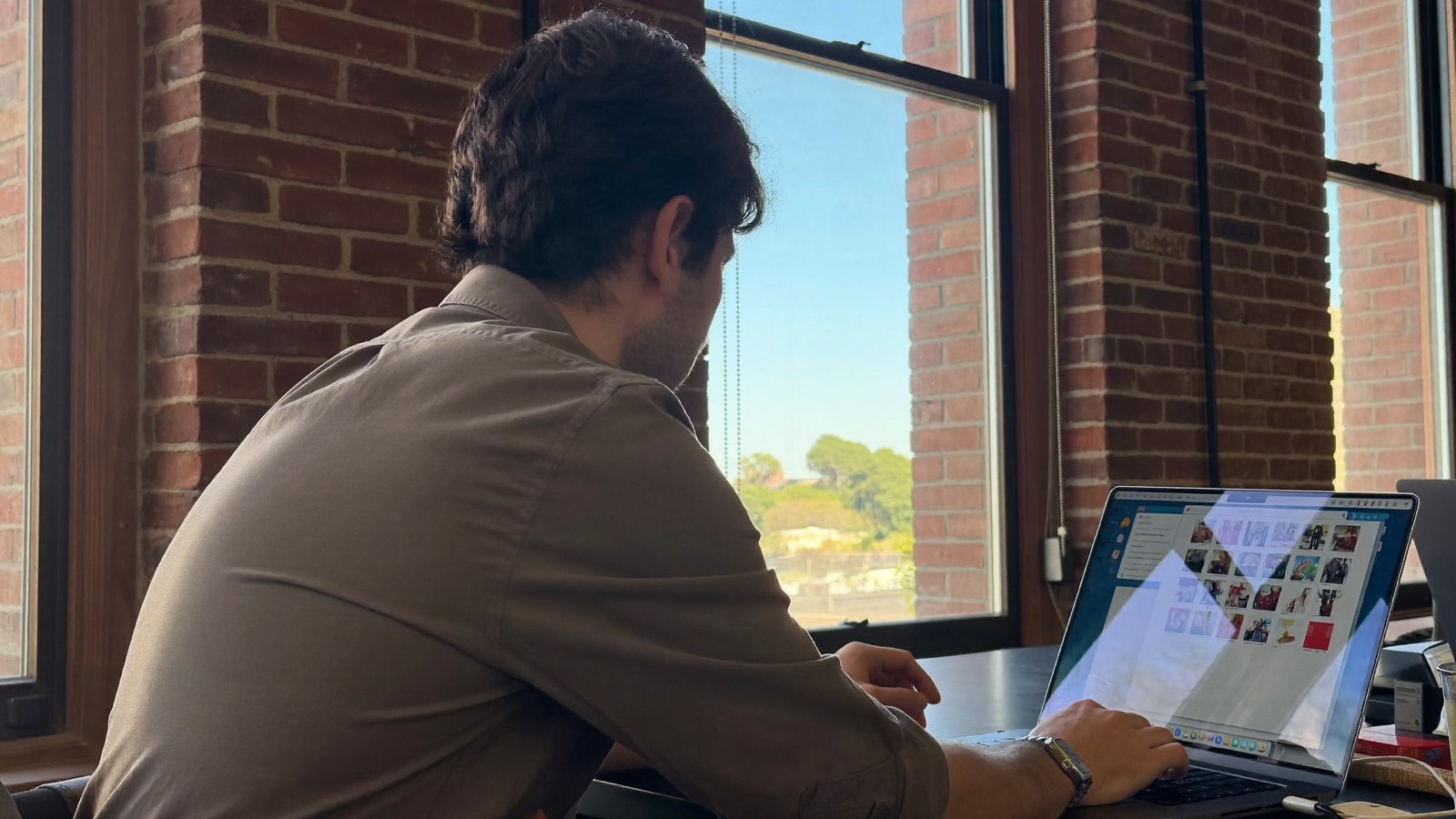
Going back to work after a hair transplant depends more on how your job looks than on how you feel. Most people feel fine within a day or two; the question is whether you are comfortable being seen with a pink scalp and small scabs, and whether your work involves sweat, dust, helmets or heavy lifting. Remote workers often log on the next day, office workers commonly take three to seven days, client-facing roles tend to take 7 to 10, and physical or uniformed jobs usually wait about two weeks. Our hair transplant recovery page covers healing in full; this guide is about the return to work specifically.
Below is a day-by-day picture of how you look, return timelines by type of job, practical notes on commuting across Philadelphia, hard hats and uniforms, winter and summer, and meetings and video calls, plus how to pick a procedure date that fits your calendar. The list of things to avoid during recovery is covered separately in our guide to what not to do after a hair transplant.
In short: remote work the next day, office work after 3 to 7 days, client-facing roles after 7 to 10, physical or uniformed jobs after about 14. The visible phase is days 1 to 10; after that, a slightly thin look through month four is the only sign, and a looser hairstyle or a cap covers it.
How You Look, Day by Day
| Day | Recipient area | Donor area | Who usually works |
| Day 1 to 2 | Pink, dotted with tiny scabs; some swelling starting | Short-shaved with small red dots | Remote workers, off camera |
| Day 3 to 4 | Swelling may move to the forehead or around the eyes | Dots fading | Remote workers; some office workers with a hat policy |
| Day 5 to 7 | Swelling gone; scabs starting to lift | Hair covering the area | Most office workers |
| Day 8 to 10 | Scabs mostly gone; faint pinkness | Looks like a fresh short haircut | Client-facing roles |
| Day 11 to 14 | Pinkness fading; area looks thin but clean | Normal | Physical and uniformed jobs, once the clinic agrees |
From week two to month four, transplanted hairs shed and the area can look thin. That is expected and is rarely noticed by others once the scabs are gone. Swelling, when it happens, usually peaks on day three or four and can drift down to the brow and eyelids before it clears; sleeping with the head raised and cold compresses on the forehead, never on the grafts, keep it short. Most people who take a full week off find that the swelling window is the part they are glad to have spent at home.
Return Timelines by Type of Job
- Remote and home-based: next day, camera off for the first week if you prefer. Keep the room cool and skip anything that makes you sweat.
- Office, desk-based: days 3 to 7, depending on how you feel about being seen. A loose cap is usually allowed from around day 7 to 10 if the dress code permits it.
- Client-facing, sales, hospitality: days 7 to 10, once scabs have lifted and swelling has gone.
- Teaching and healthcare: days 7 to 10 for the classroom or clinic; follow your workplace's own rules on headwear.
- Physical, outdoor and trades: about 14 days, because sweat, dust, sun and the need for a hard hat all argue for waiting until grafts are fully anchored and the skin has closed.
- Uniformed roles with headgear: about 14 days, and confirm with the clinic before a helmet or cap that presses on the recipient area goes back on.
If your job cannot accommodate a visible scalp, a non-shave hair transplant may be an option for smaller cases, since longer hair hides most of the early signs.
Commuting in Philadelphia
Driving yourself is usually fine from day one or two, once any sedative has worn off and you feel alert; adjust the headrest so it does not press on the back of your head. The Market-Frankford and Broad Street lines, the trolleys and Regional Rail are fine from around day three to five, with the caveat that a packed car at rush hour is where a stranger's elbow meets your hairline. Travel outside peak times for the first week if you can, choose a seat, and keep a clean cap ready for when your instructions allow one. Walking to work in Center City is encouraged from the first day, with the usual care about sun in summer and wind in winter.
Hard Hats, Uniforms and Headsets
Anything that presses on or slides across the recipient area waits until the grafts are anchored, which is about day 10, and in practice most clinics advise about two weeks for hard hats and tight caps. A clean cotton liner under a hard hat helps once you are back. Call-center headsets that sit on top of the head should be swapped for an earpiece or a behind-the-neck style for the first two weeks. Chef and kitchen hats are usually loose enough from day 10 but check the heat; a hot kitchen means sweat, which is worth avoiding for the first week.
Winter and Summer Considerations
Philadelphia winters make the early days easier in one way and harder in another. A hat is unremarkable in January, but a tight beanie is exactly the kind of friction to avoid before day 10, so choose a loose knit one and lift it straight off. Cold, dry office air can make a healing scalp itch; resist scratching. In summer, the issues are sun and sweat: keep the scalp shaded for the first few weeks, avoid walking in the midday heat and plan your return around air-conditioned space.
Meetings, Video Calls and Questions
On video, overhead lighting and a camera below eye level exaggerate a thin or pink scalp. Raise the camera to eye level or slightly above, put a lamp in front of you rather than above, and the effect largely disappears. In person, people notice far less than you expect, because they compare you with last week rather than with a photograph. If a colleague asks, a plain sentence works: you had a minor procedure and it takes a few months to settle. Our hair transplant timeline month by month explains what to expect visually across those months.
Planning Your Procedure Date Around Work
The simplest plan is to book the procedure on a Thursday or Friday, take the following week off or work remotely, and return in person the week after, which lands the first office day at around day 7 to 10. Avoid the two weeks before a major presentation, a conference or a job interview. If you take only a long weekend, remote days 3 to 5 cover the swelling window. At our Old City clinic, Dr. Val Prokurat, DO, is involved in every part of your procedure, from consultation to follow-up, working alongside our in-house Philadelphia surgical team; tell us about your work schedule at the consultation and we will map the first two weeks to it before a date is set.
Pick a Date That Fits Your Work Week
Visit 325 Chestnut St for a free consultation. Tell us what your job involves and when your quieter weeks fall, and we will suggest a procedure date and show you what each day of the first two weeks will look like. Phone (267) 996-9966.
Further reading: for independent background, see American Academy of Dermatology: hair loss, MedlinePlus: hair loss and International Society of Hair Restoration Surgery (ISHRS).