
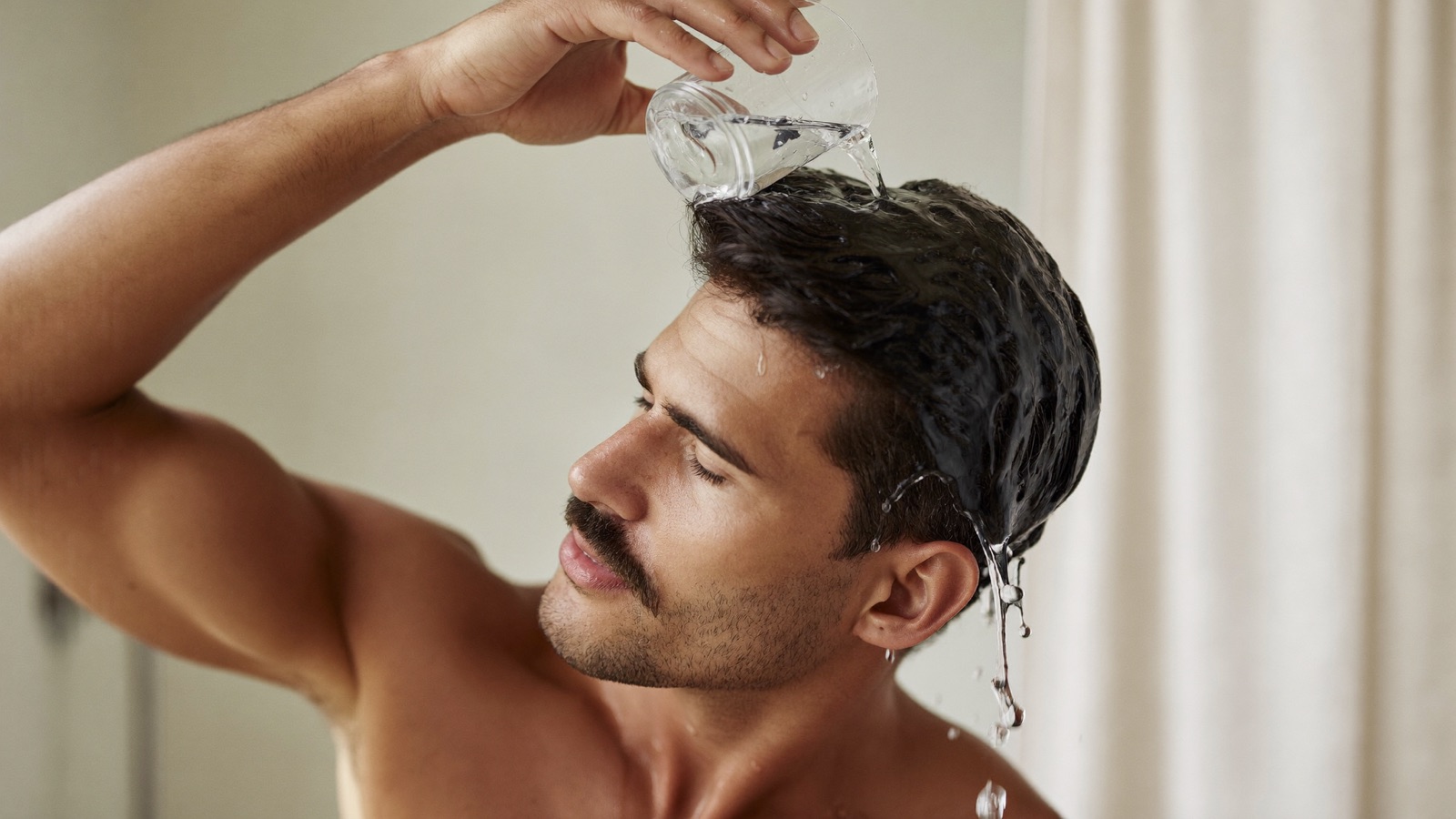
Washing hair after a transplant is one of the first practical jobs of recovery, and it is the one most people feel nervous about. The fear is understandable: you have just paid for new grafts and now you are told to pour water over them. In practice, gentle washing is part of how the scalp heals. It clears away dried blood and fluid, softens the small crusts and keeps the area clean while the grafts settle. Our hair transplant recovery page covers the whole healing process; this guide stays with the washing questions patients bring up most: when the first wash happens, how to do it, which shampoo to use, how strong the water should be and what to do about scabs from day 1 to day 14.
Everything here is general information. Clinics differ in the details, and your own written aftercare sheet, which is based on your technique and your scalp, is the instruction to follow whenever the two disagree.
Why Skipping Washes Causes More Trouble Than Washing
Some patients decide the safest plan is to leave the scalp alone completely until it looks healed. That usually backfires. Without washing, dried blood and tissue fluid build up into thick, hard crusts around the grafts. Thick crusts take longer to lift, they itch more and they tempt people to pick at them. A scalp that is not cleaned also holds on to sweat, skin oil and bacteria at a time when there are many tiny wounds in the skin.
A light, regular wash avoids all of that. Each wash loosens a little more of the debris, so the crusts stay thin and come away on their own in the second week. The trick is not whether you wash, but how gently you do it. The grafts are delicate early on because they are held in place by a fresh clot while new blood vessels grow into them. Rubbing, scratching and strong jets of water are the problem. Water itself is not.
Getting Ready for the First Wash
A little preparation turns the first wash from a worry into a five-minute routine. Before procedure day, set aside a small kit near the sink or shower:
- A plastic cup or small jug for pouring water. Plastic is safer than glass in a wet shower.
- The shampoo or foam you were given, or the type your sheet names. Leave your usual products in the cabinet for now.
- A clean, soft towel kept just for your head, plus some paper towels for blotting.
- A stool or chair if you feel lightheaded standing for long in the first day or two.
- Button-up shirts, so you never have to pull a collar over wet, freshly washed grafts.
Read the washing section of your aftercare sheet once before the day, then again before the first wash. If anything on it is unclear, ask the team to show you on the day rather than guessing at home.
When the First Wash Usually Happens
Timing varies more than any other part of the routine. Some clinics do the first wash themselves at a check the day after the procedure, so the patient sees exactly how much pressure is right. Others send patients home with instructions to start gently at home, often on day 1, 2 or 3. Some begin with a spray or saline solution on the grafts for the first day before any shampoo is used. All of these approaches are common, and the difference usually reflects the technique used and how the scalp looked at the end of the day.
Whatever the timing, the first wash should be the lightest one of the whole two weeks. If you are not sure whether you have been cleared to start, call the clinic before you begin. Washing a day later than planned is rarely a problem, but washing the wrong way on day one can be.
A Gentle Washing Technique, Step by Step
The method below reflects the general approach many clinics teach in the first week. Use it to understand the idea, then follow the version on your own sheet:
- Wet the scalp by pouring. Fill the cup with lukewarm water and pour it slowly over the grafted area, letting it run back over the head rather than aiming it at one spot.
- Make the lather in your hands, not on your head. A small amount of shampoo worked into a foam between your palms spreads more lightly than liquid poured straight onto the scalp.
- Dab the foam on. Lower the foam onto the grafts with flat fingertips or the palm and lift away. Think of patting, not rubbing. No circles, no scrubbing and no nails.
- Wash the donor area more normally. The back and sides usually tolerate gentle fingertip washing from early on, unless you have stitches there or your sheet says otherwise.
- Let it sit briefly if your sheet says so. Some routines leave the lather on for a few minutes to soften crusts.
- Rinse with more cupfuls. Keep pouring until the foam is gone. Leftover shampoo can dry the skin and add to itching.
- Blot, then air dry. Press a paper towel lightly against the grafted area to take off excess water, then let the rest dry on its own.
Most people are surprised by how quickly it goes. Once you have done it two or three times, the steps take only a few minutes.
Water Temperature, Flow and Steam
Lukewarm water is the standard advice: comfortable on the inside of your wrist, never hot. Hot water increases blood flow to the scalp, which can encourage oozing and swelling early on, and it dries out healing skin. Very cold water is not harmful, but it is unpleasant and makes it harder to rinse properly.
Pressure is the bigger issue. A shower head on full power concentrates a lot of force on a small area, which is exactly what the grafts do not need in the first days. That is why the cup method exists. If you have a handheld shower head, many sheets allow it on a low, soft setting from later in the first week, held a little away from the head with the water running over the grafts rather than hitting them. A fixed shower head on a strong setting usually waits until the end of the second week.
Steam is worth thinking about too. Long, very hot showers fill the bathroom with humid air, which can make you sweat and leave the scalp damp for longer. Short, warm showers with the bathroom door open or the fan on are kinder to a healing scalp.
Choosing a Shampoo and What to Leave on the Shelf
Many clinics hand patients a specific shampoo or foam, and if you have one, use that. If you were told to buy your own, the usual brief is a mild, gentle formula without strong fragrance. Your sheet or the team can tell you whether a baby shampoo or a specific brand is acceptable for your case.
Products that are commonly put on hold for the first two weeks include:
- Medicated or anti-dandruff shampoos, unless the clinic suggests one.
- Conditioner on the grafted area, since it is designed to sit on the hair and is harder to rinse off fully.
- Dry shampoo, gels, waxes, sprays and hair fibers.
- Scented oils and home remedies, including anything you have seen recommended online.
- Hair dye, bleach and other chemical treatments, which usually wait considerably longer.
If you use a topical hair loss treatment or a prescription scalp product, ask your doctor when it can be restarted rather than resuming it on your own. Timing depends on the product and on how the scalp is healing.
Days 1 to 14 at a Glance
The table shows the general shape of the first two weeks. It is a guide to what is typical, not a schedule to follow. Your clinic's own written aftercare sets the actual days for your case.
| Days | What washing usually looks like | What you may notice |
| Day 1 to 2 | Spray or saline on the grafts, or a very light first wash at the clinic or at home, depending on your sheet | Pink scalp, small spots of dried blood, some tightness |
| Day 3 to 5 | Daily cup-pour wash, foam dabbed on, no rubbing | Crusts forming around the grafts, swelling may peak and fade |
| Day 6 to 9 | Same gentle wash; a little more contact if your sheet allows; soft handheld shower may be approved | Itching as the skin heals; crusts beginning to loosen |
| Day 10 to 14 | Light fingertip contact to help remaining crusts lift, if cleared | Most crusts gone; some short hairs may come away with them |
| After clearance | Back toward a normal wash with fingertips, still gentle at first | Scalp looks like a fresh short haircut with faint pinkness |
Scabs and Crusts: Let the Water Do the Work
Small crusts form around nearly every graft in the first days. They are a normal part of healing and they protect the graft while it anchors. The aim is to let them soften and lift on their own schedule, which for most people is somewhere in the second week.
Washing is the main tool here. Each gentle wash softens the crusts a little more. Some clinics add a lotion, spray or soaking step in the second week to help the last of them loosen. What you should not do is pick, scrape or comb them off. A crust pulled away early can take a graft with it, and the small mark it leaves may need more time to settle.
Patients are often alarmed when they see short hairs come away with the crusts around days 10 to 14. This is usually the hair shaft, not the graft. The root stays in the skin and grows a new hair over the following months. The broader shedding phase that comes a few weeks later is explained in our guide to shedding after a hair transplant.
Not sure if something is normal? A photo and a quick call to the clinic answer most questions in minutes. It is always better to ask than to rub harder or pick at a crust that seems stuck.
Drying, Towels and Hair Dryers
Drying matters as much as washing. A towel rubbed over the head is one of the easiest ways to catch a graft, so for the first week or so most routines call for blotting the grafted area with a paper towel or a soft cloth held still, then letting the hair air dry. The donor area can usually be patted dry with a towel.
Hair dryers are generally avoided in the first two weeks. Hot air dries out healing skin and makes itching worse. If you must use one later, the cool setting held well away from the scalp is the usual compromise, once your clinic says it is fine. Keep the head towel separate from the bath towels and wash it often, so you are always drying with something clean.
FUE and FUT Donor Areas in the Shower
The donor area heals differently depending on the technique. After FUE, the back and sides are covered with many small round marks that close within the first days. These usually tolerate gentle fingertip washing early on, and keeping them clean helps them heal quickly.
After FUT, there is a single closed incision, usually with stitches or staples. Water running over it is normally fine, but scrubbing along the line is not. Pat the area dry and leave the stitches alone until they are removed or dissolve. If the line becomes increasingly red, hot, swollen or starts to leak, call the clinic.
Showers, Baths and Everyday Situations
Washing your body does not have to wait. For the first week, many people shower facing away from the spray with the water aimed at the shoulders and back, keeping the head out of the direct stream and doing the hair separately with the cup. A bath is another option, as long as you do not lie back and soak the head.
A few other situations come up often:
- Sweating after a walk or a warm day: rinse gently with the cup method rather than leaving sweat to dry on the scalp.
- Getting caught in the rain: light rain is not a problem. Blot the scalp when you get inside.
- Swimming: pools, hot tubs and open water are normally off-limits for at least two weeks, often longer.
- Barbershop washes: leave these until the clinic clears you, because a barber's sink and spray head put pressure on the scalp.
Sleep is closely linked to how the scalp feels at night, especially once itching starts. Our guide on how to sleep after a hair transplant explains the pillow setup that keeps the grafts clear of the bedding between washes.
When to Call the Clinic
Most washing questions turn out to be minor. A few signs are worth a prompt call:
- Bleeding that starts during a wash and does not settle with light, steady pressure from clean gauze.
- A graft that has clearly come out, with fresh bleeding at the spot.
- Pain, warmth or redness that is getting worse rather than better, or any pus or bad smell.
- A rash, burning or stinging after using a product.
- Crusts that are still thick and firmly stuck by the end of the second week.
For anything that feels like an emergency, call 911 or go to the nearest emergency department first. The wider list of things to avoid in the first two weeks, from exercise to hats, is in our guide on what not to do after a hair transplant.
Getting Back to Your Normal Routine
By the end of the second week, most patients have no crusts left and are cleared to wash with their fingertips again, still gently at first. Over the following weeks the routine slowly becomes ordinary: a normal shower, your usual shampoo if it is mild, and eventually conditioner and styling products again once the team agrees. Coloring and chemical treatments usually come last.
From then on, transplanted hair is washed like the rest of your hair. There is no need for special care once the scalp has healed, and regular washing does not harm the grafts. The habits that matter for the long term, such as protecting the scalp from sunburn and looking after the native hair around the transplant, are part of the follow-up conversation with the team.
At Nova Medical in Old City, Dr. Val Prokurat, DO, a surgeon specializing in general surgery, is involved in every part of your procedure, from consultation to follow-up. Before you leave on the day, our team shows you the washing routine in person and gives you a written sheet with the timing for your case.
Leave With a Washing Routine You Understand
Visit 325 Chestnut St for a free consultation. We walk you through the first two weeks of aftercare, show you how the first wash is done and give you a number to call with any question. Phone (267) 996-9966.
Further reading: for independent background, see American Academy of Dermatology: hair loss, MedlinePlus: hair loss and International Society of Hair Restoration Surgery (ISHRS).